
Identification of Willys MB and Ford GPW
This page is intended to assist in the identification of WW2 Willys MB and Ford GPW basic vehicle assemblies. The most important elements are shown on the basis of which it is possible to determine the origin and approximate period of production of individual vehicle parts.
The data is organized by assemblies, with illustrations that allow easier recognition of characteristic differences between manufacturers and variants.
I would like to thank Nikola Nesic from Surdulica for his great help.
The layout is adapted for display on the screen and for printing in A4 portrait format.
Chassis
Ford GPW
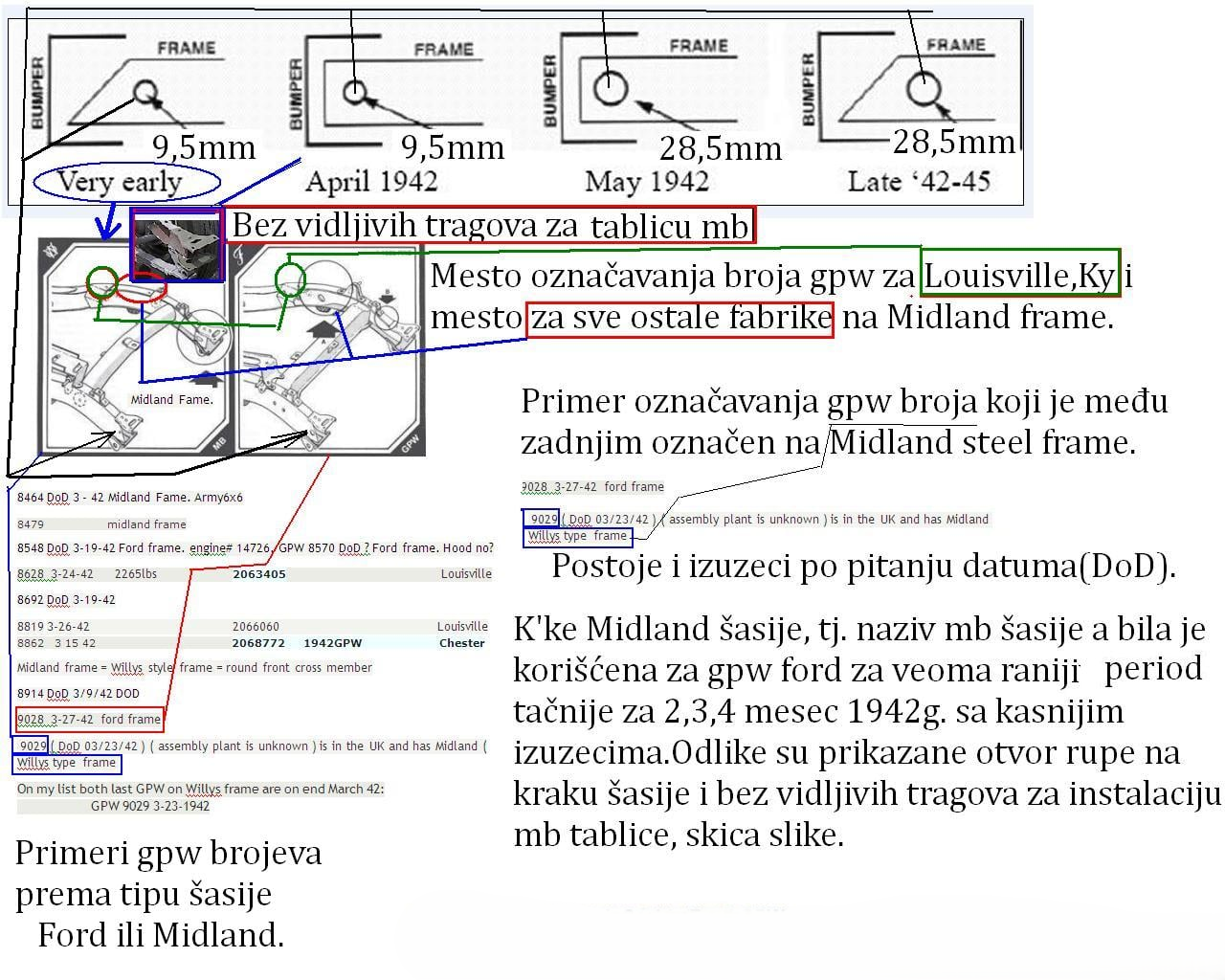
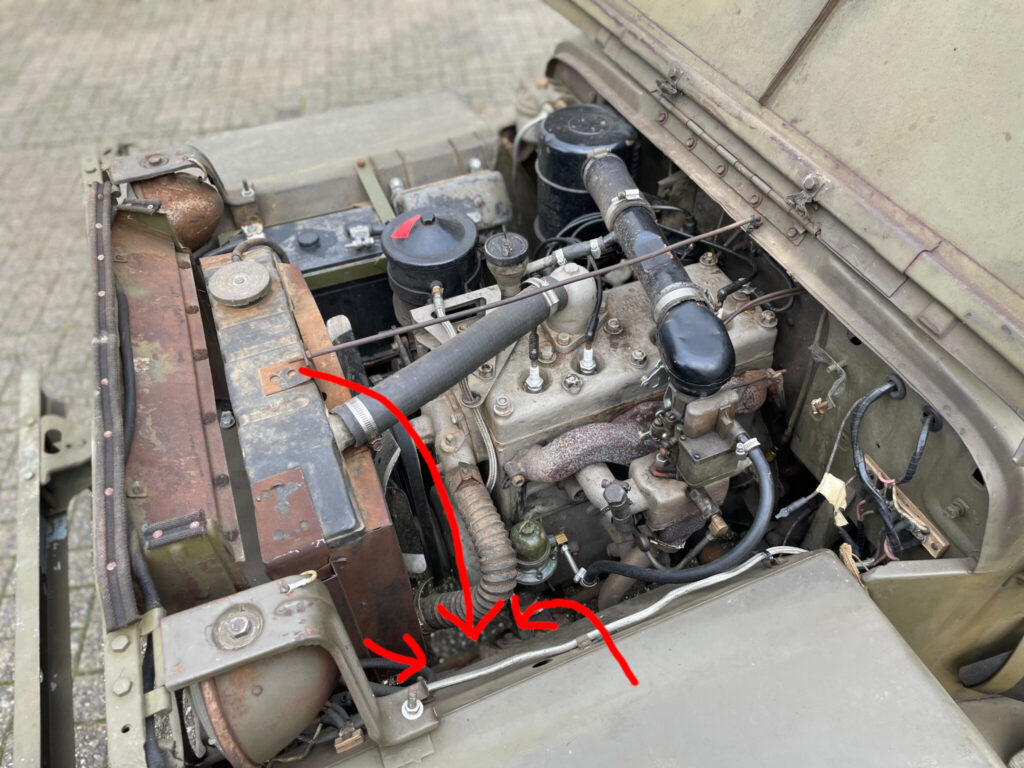
The chassis number on Ford GPW vehicles is stamped on the top of the left front chassis brace. The correct position is on the left side of the engine, between the brake pipe mount and where the fender is attached to the chassis. The number print can often be very faint.
Until approximately chassis number 8000, Ford used Willys MB chassis, and only after that it switched to its own production. It should also be noted that many Ford and Willys chassis were additionally reprinted with supplementary numbers after the war. Under the claim that Ford used Willys chassis, it is necessary to precisely add the term Midland chassis, because that is the name used in that context when it comes to GPW production.
The Richmond factory was the starting point for GPW production, and it was the first GPW examples that passed through that factory.
Also, it is important to clearly state that for GPW vehicles, the assembled engine was typed according to the chassis number in the factory itself, immediately before assembly. This is precisely why all original GPW engines carry the same number as the GPW jeep (chassis) itself.
Ford GPW chassis identification
Ford GPW chassis is identified by square cross member between the radiator and the hood, and in the middle of that bracket is the Ford badge „F“.
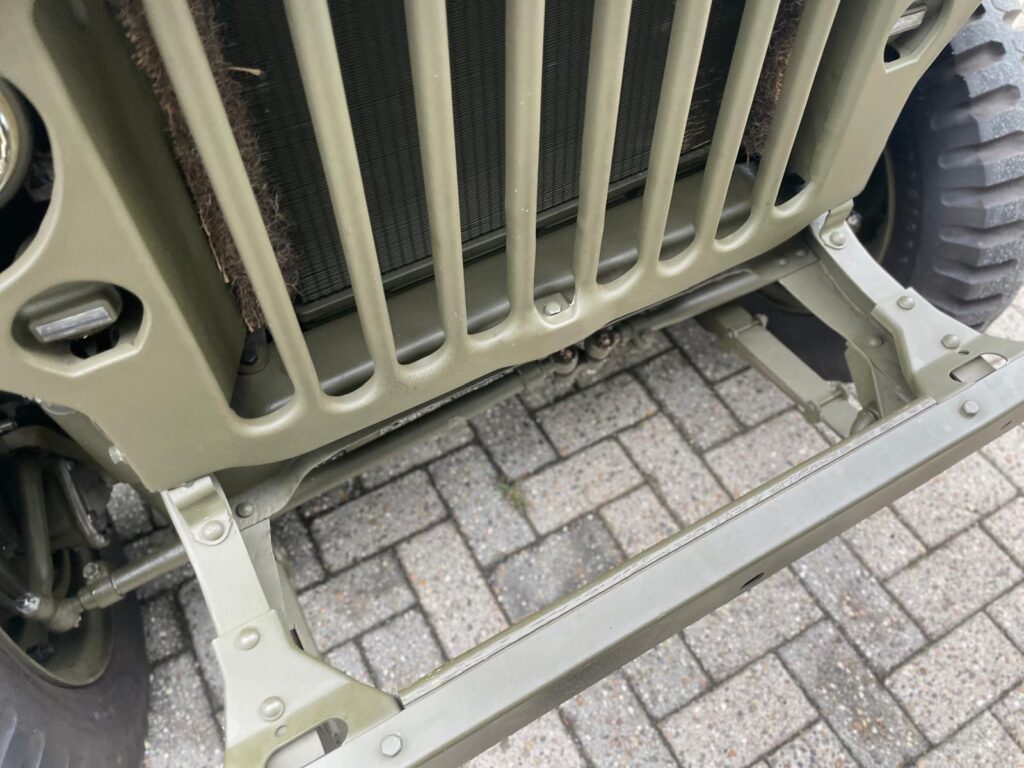
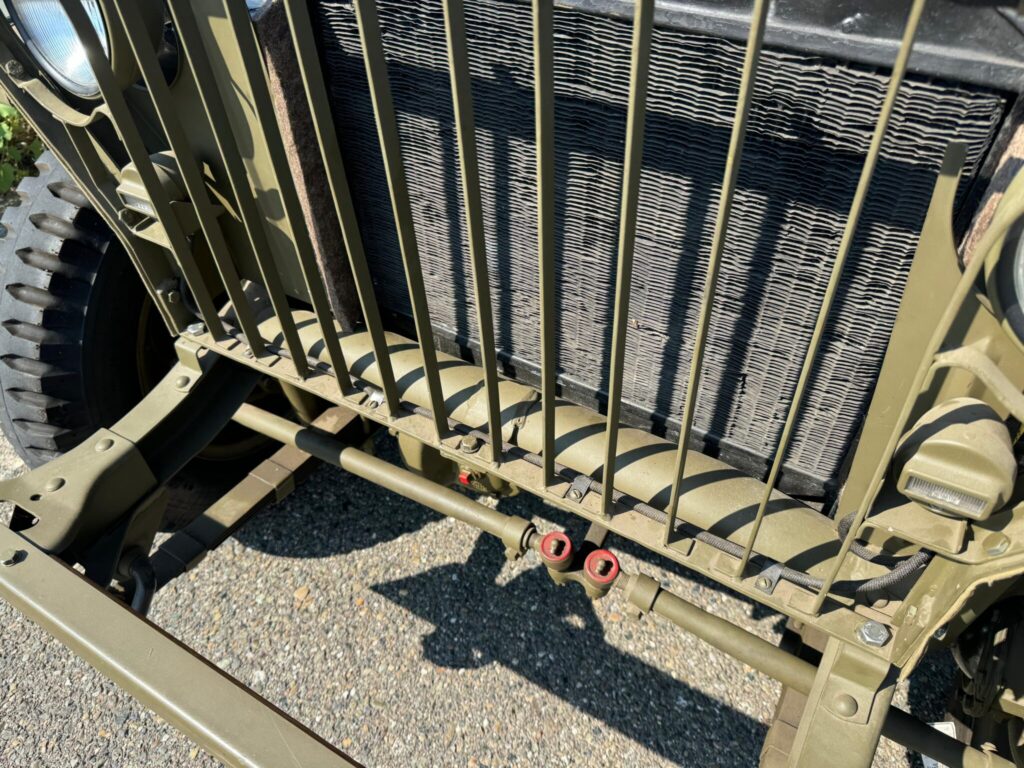
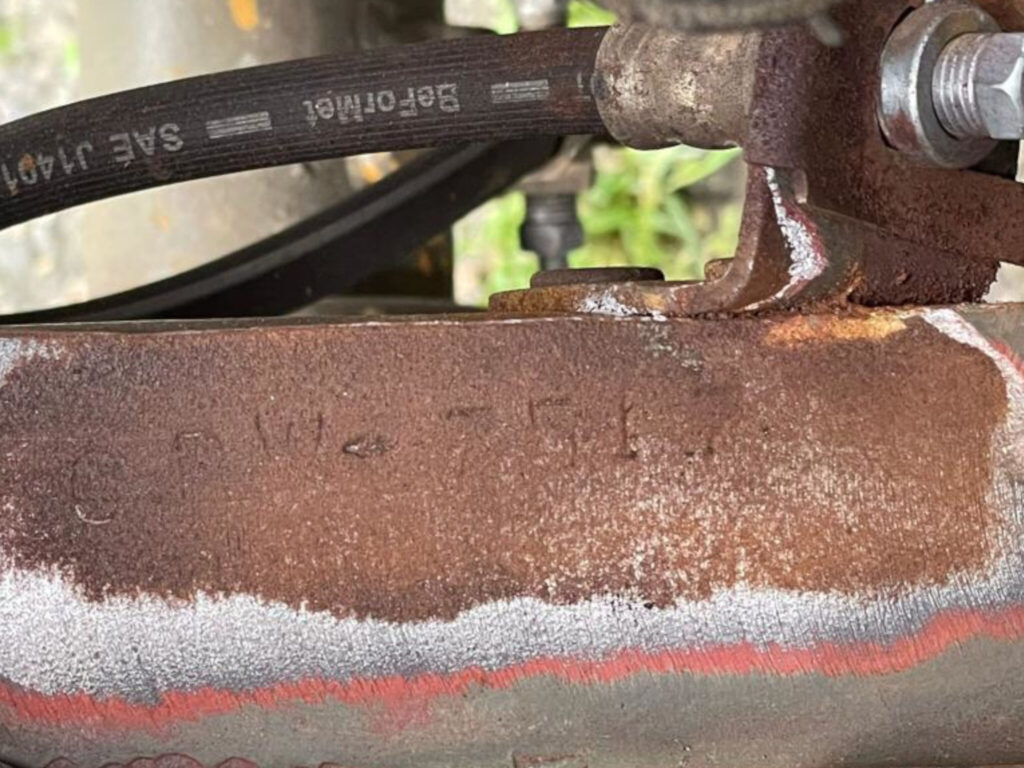
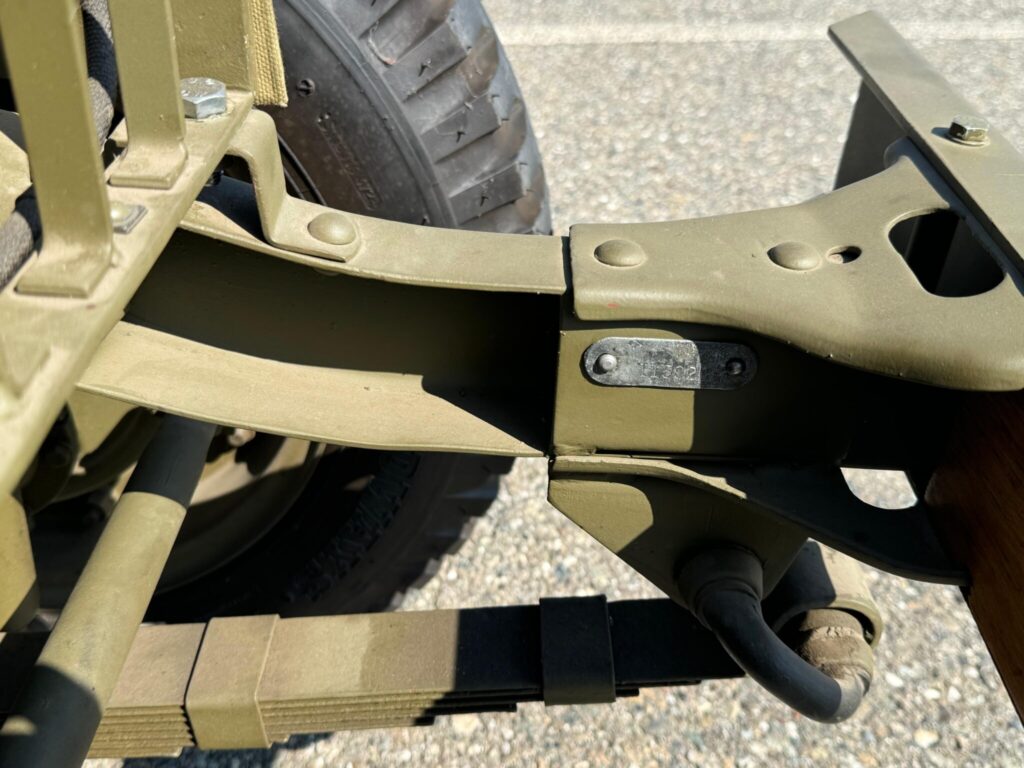
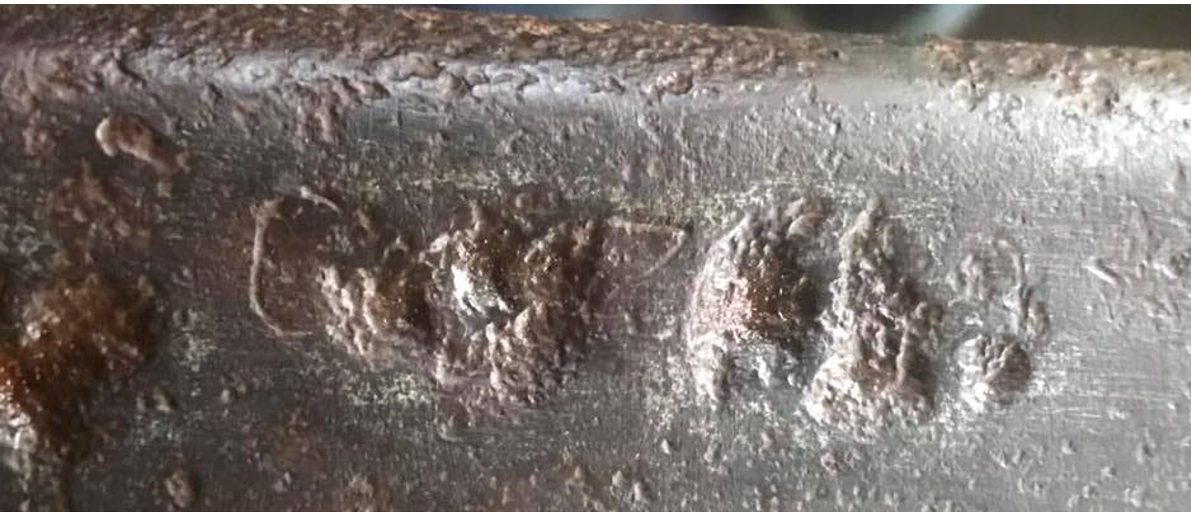
Example of damaged chassis number (GPW)
On Ford GPW vehicles, the chassis number is often weakened by corrosion, subsequent cleaning or overhaul interventions. That's why, in addition to the numbers themselves, you should observe the shape of the imprint, the spacing of the characters and the traces of the original stamping under the later modifications.
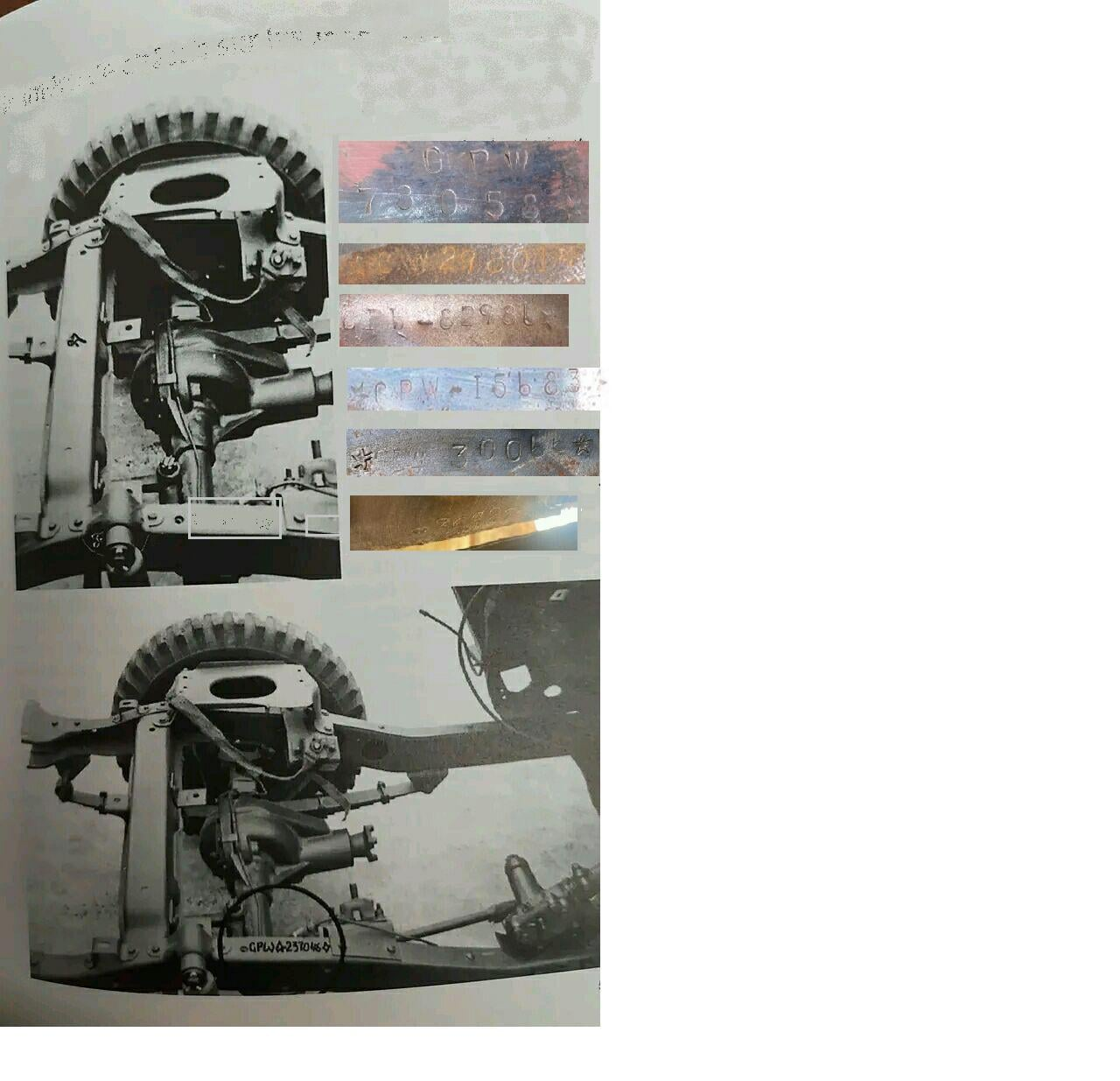
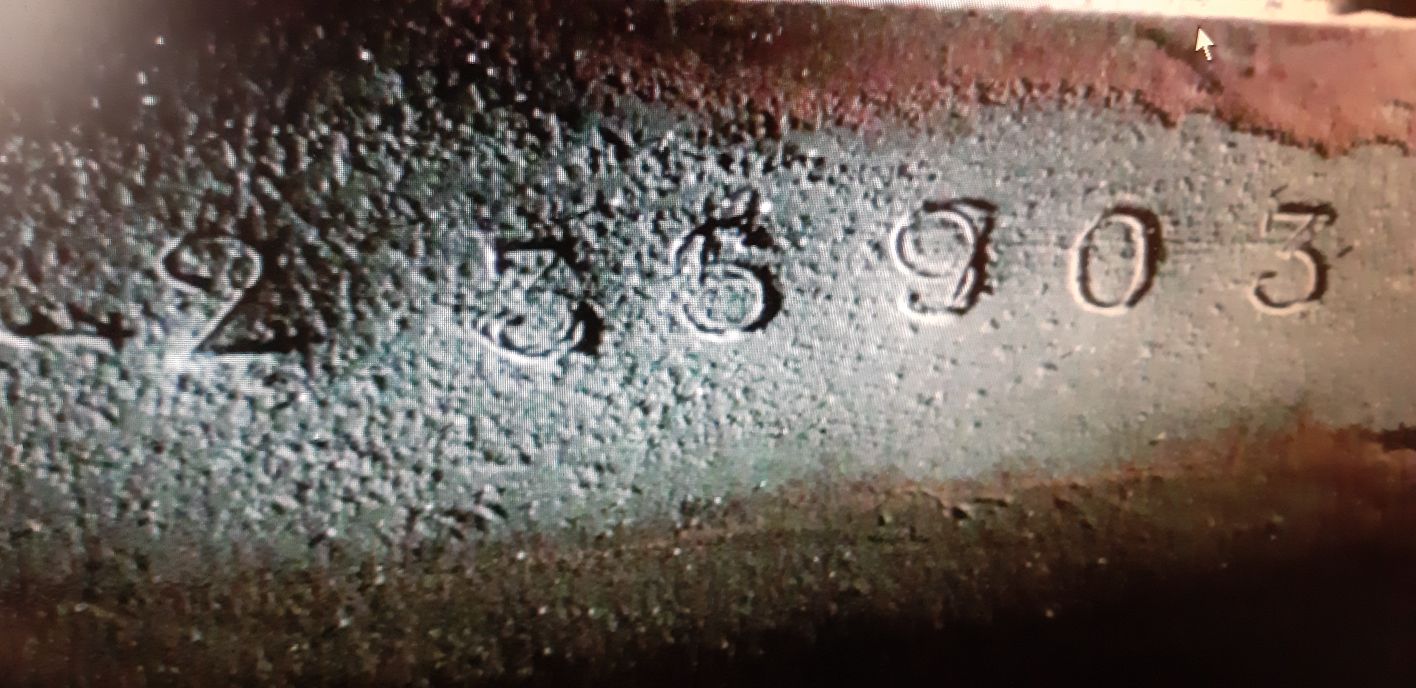
Example of numbers subsequently stamped over the original print: this is a typical case of the numbers being stamped over an old print, most likely at a REME repair or service center.
When encountering a post-stamped number, one should always check whether the original number matches the post-stamped number. In this example, the analysis confirms that the numbers match.
The original print can still be seen under the later stamped figures. Proper cleaning of the surface is very important: sandblasting with a pressure of 4 bar, with quartz sand with a grain size of 0.17-0.22 mm, gives a good result without damaging the markings.
By observing the reflection of light on the surface, the matching of the numbers can be clearly confirmed, and all the characteristic features of the print remain visible. Based on this, this example is identified as GPW 236903, assembled at the Louisville, Kentucky factory.
Willys MB
Willys MB vehicles have the chassis number on a metal plate attached with screws. The plate is on the inside of the left chassis bracket behind the front bumper. Since the tile is attached with screws, the original tiles are often replaced with replicas.
Willys chassis number usually has six digits with a prefix MB, while in early copies the prefix may be missing.
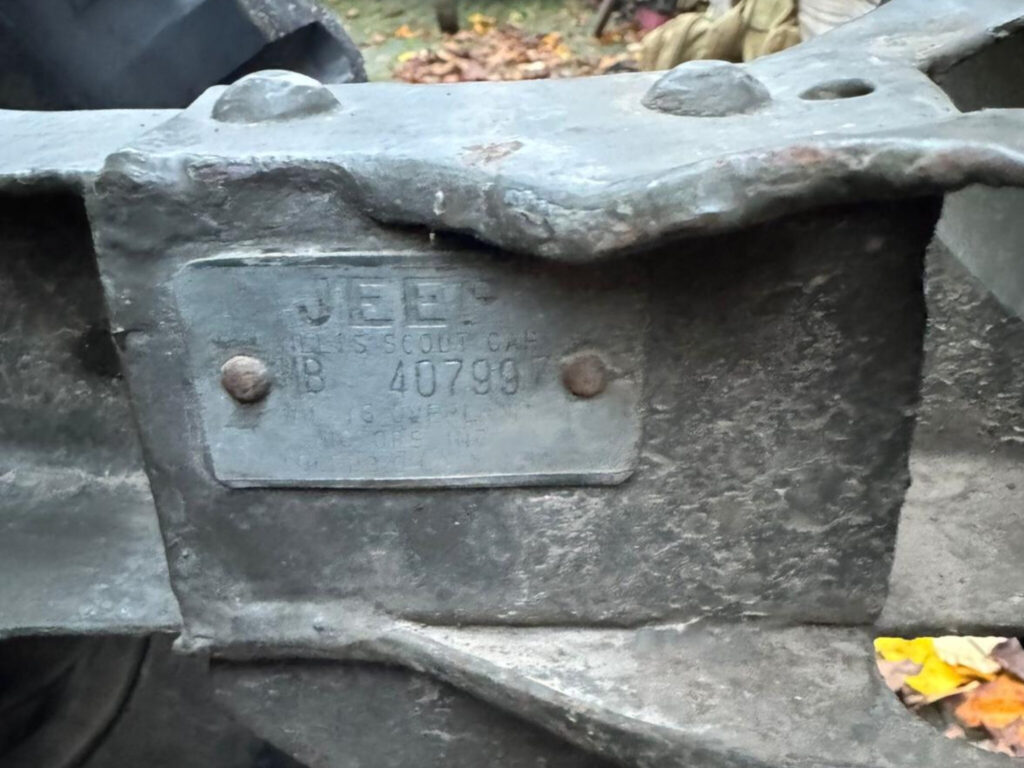
Early and late Willys chassis marks
- Before approx MB122xxx tag was without MB prefix.
- In March 1942, a letter I was used instead of the number 1.
- From approx MB122xxx to approx MB34xxxx was used oval tile.
- After that it goes to square tile.
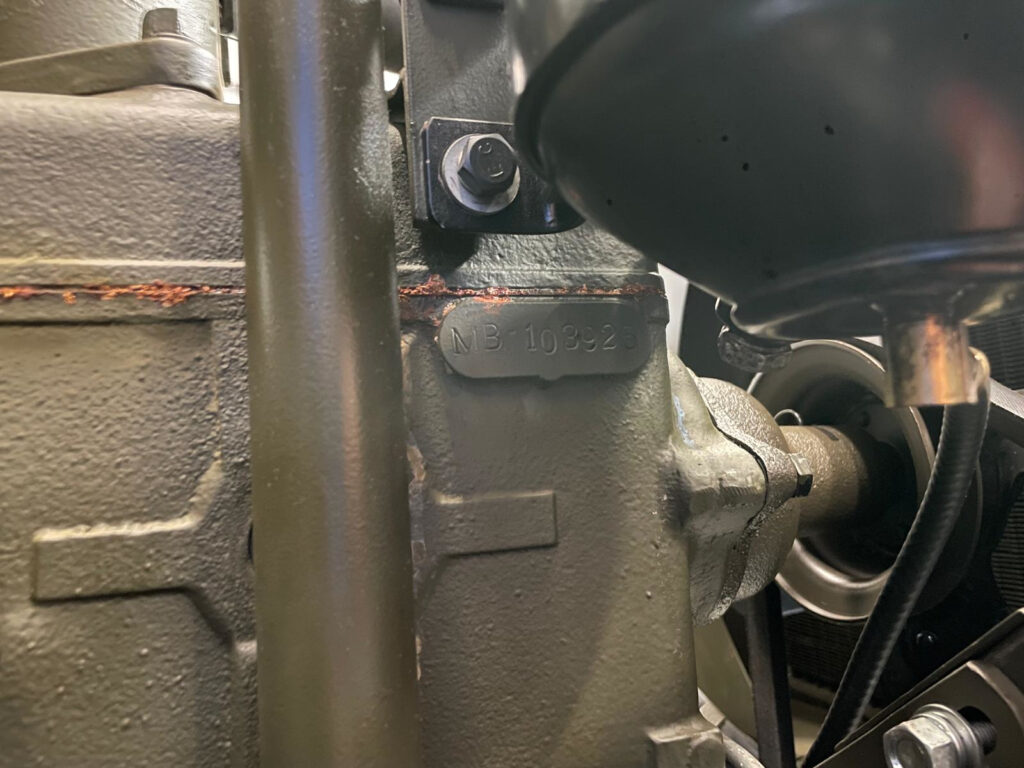
Willys MB marking on the chassis: without MB mark at frame mark up to series 122xxx; then follows MB with the appearance of an oval plate up to approximately 341xxx; later, a rectangular plate with the inscription JEEP is used until the end of production.
Chassis number and tentative dating
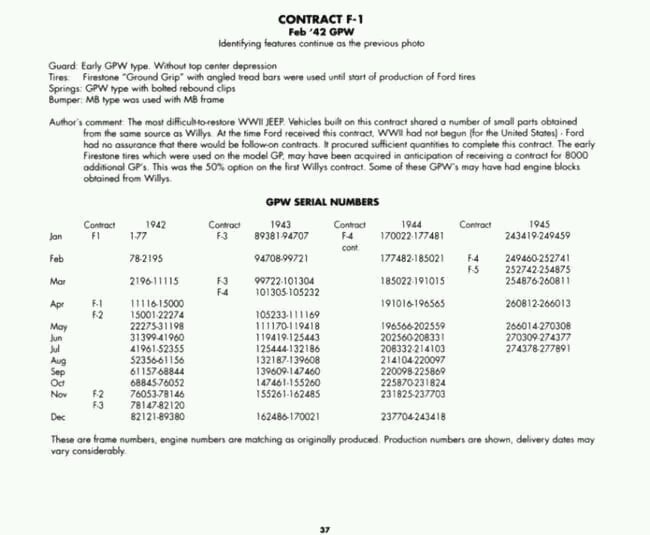
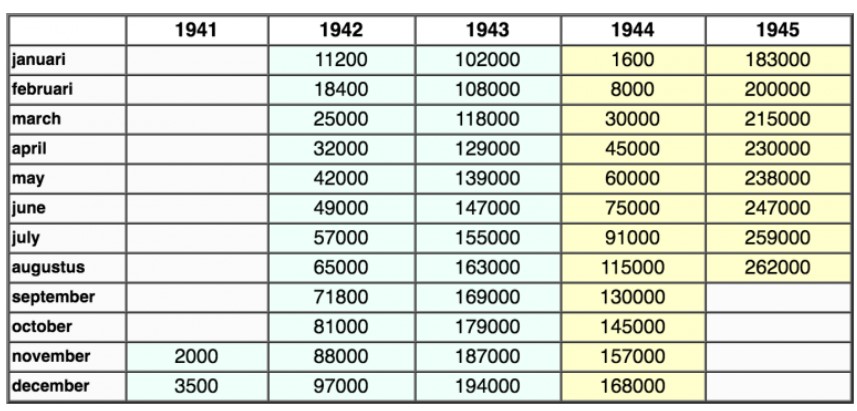
The chassis number is the basic data for determining the approximate production period of the vehicle. Below are indicative ranges for the Ford GPW and Willys MB.
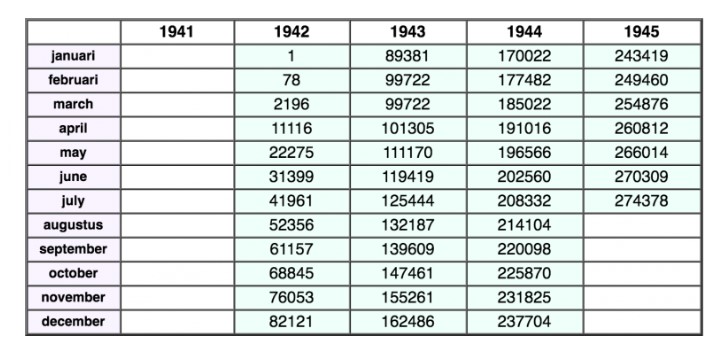
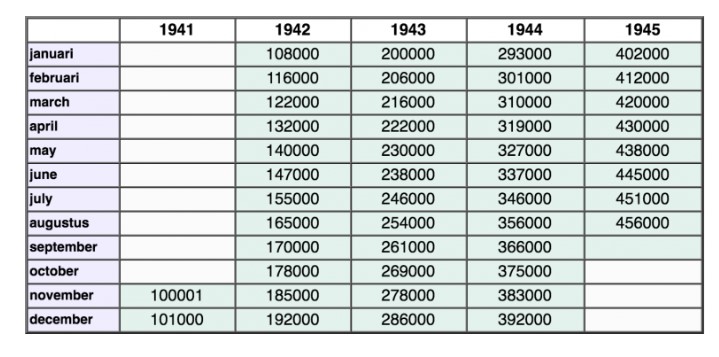
Note: these are production numbers. Date of Delivery (D.O.D.) may vary, especially for Ford GPW vehicles assembled at different factories.
Numbers on the hood
Hood numbers are an additional way of tentatively dating the vehicle, provided they have been preserved or properly reconstructed. When the vehicles left the factory, the numbers were originally painted in blue drab color, while later units are often repainted white. Since the beginning of 1945, vehicles leave the factory with white markings.
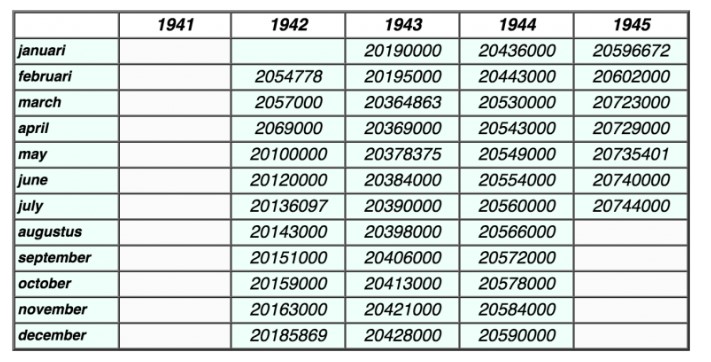
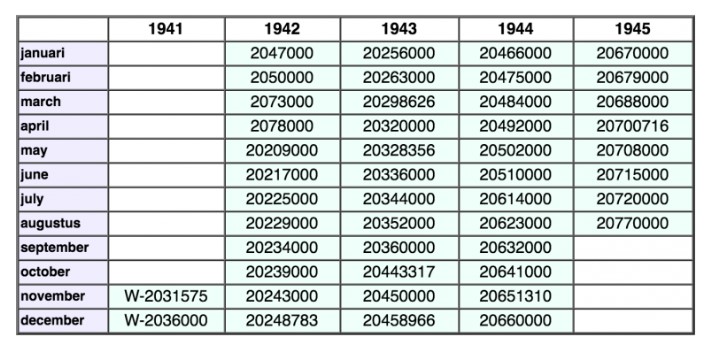
The numbers on the hood are used as an auxiliary criterion, as they are often changed, repainted or completely removed.
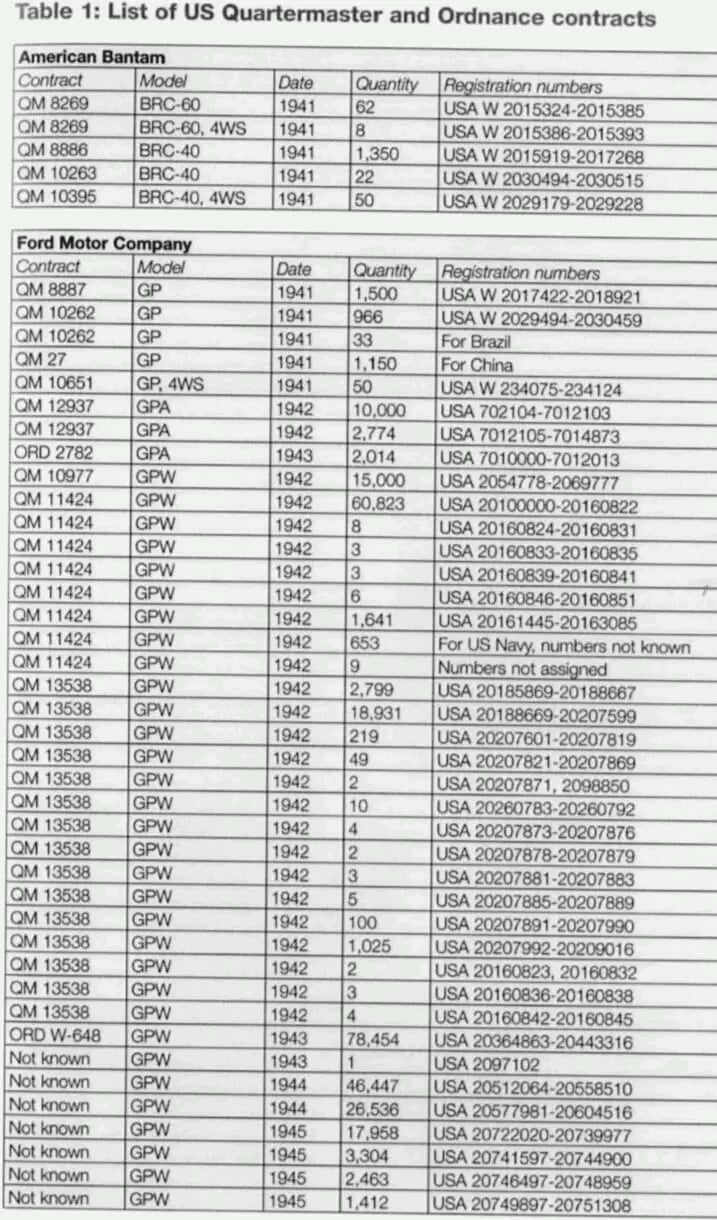
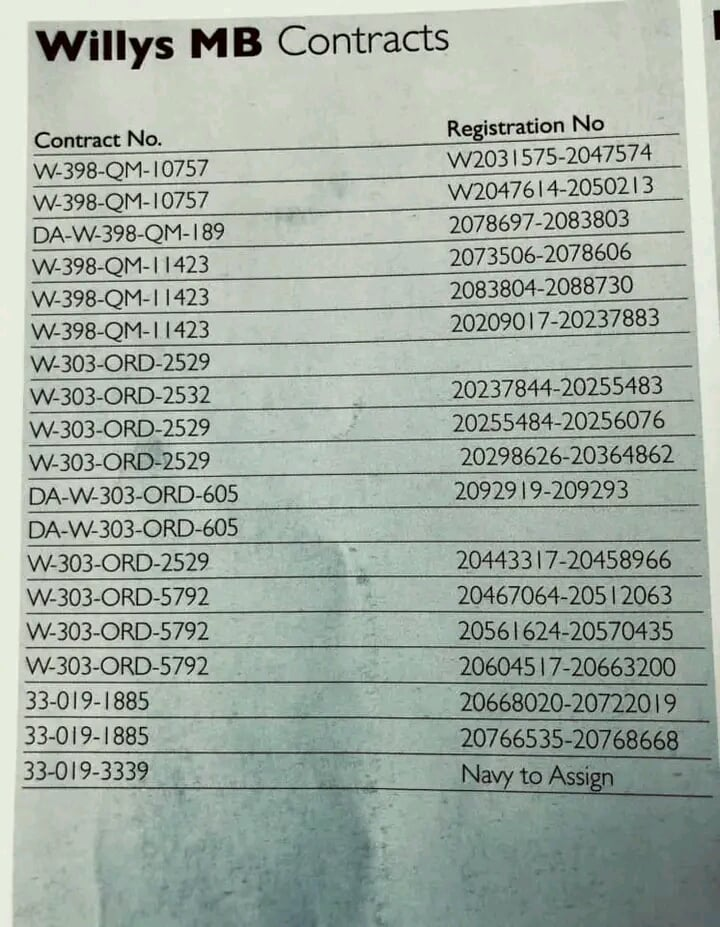
Number of contracts by year
The contract overview helps to link registration numbers, manufacturers and approximate production period. Below are separate tables for American Bantam, Ford Motor Company and Willys MB.
Engine
War engines for Willys MB and Ford GPW are Willys L134 "Go-Devil". It is an in-line four-cylinder flathead engine, with a power of approx 60 hp at 4000 rpm and volumes 2,199 cm³.
*note, the different engine power of the L-134 is often mentioned. The JNA book mentions Willys engine 60HP, Ford GPW 54HP. This is not a correct statement, War and post-war engines have the same power, but it is Gross (gross) or Net (real) power of the engine and it depends on the way of measuring the power of the engine, not on the type.
Distinguishing wartime and postwar engines
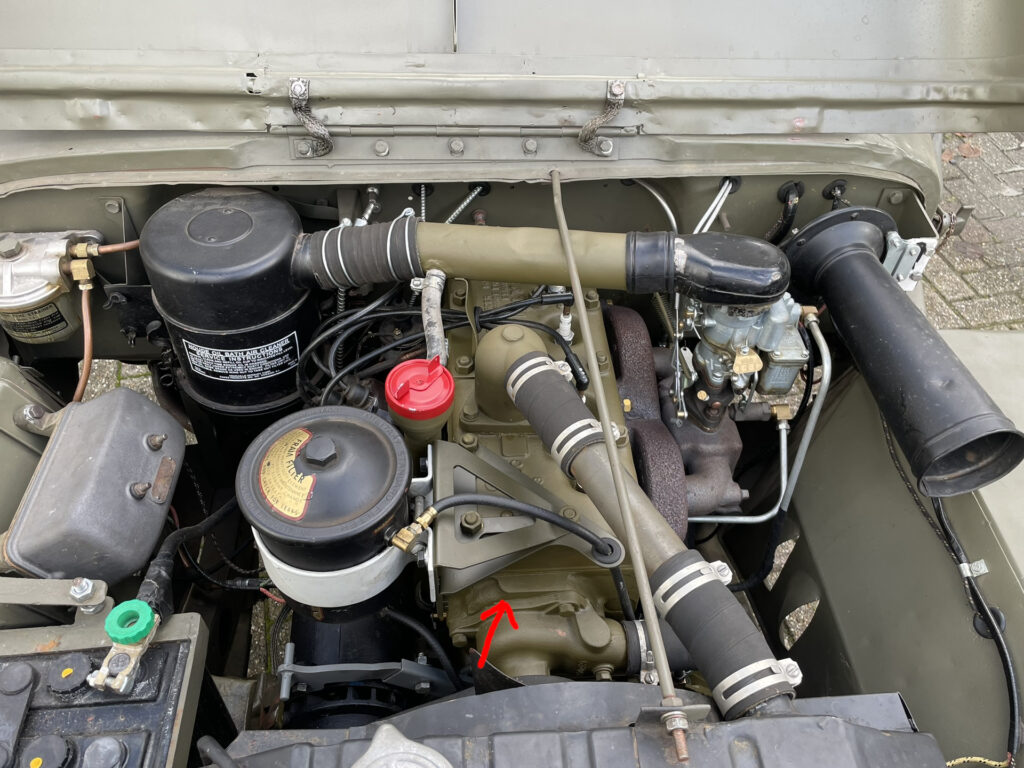
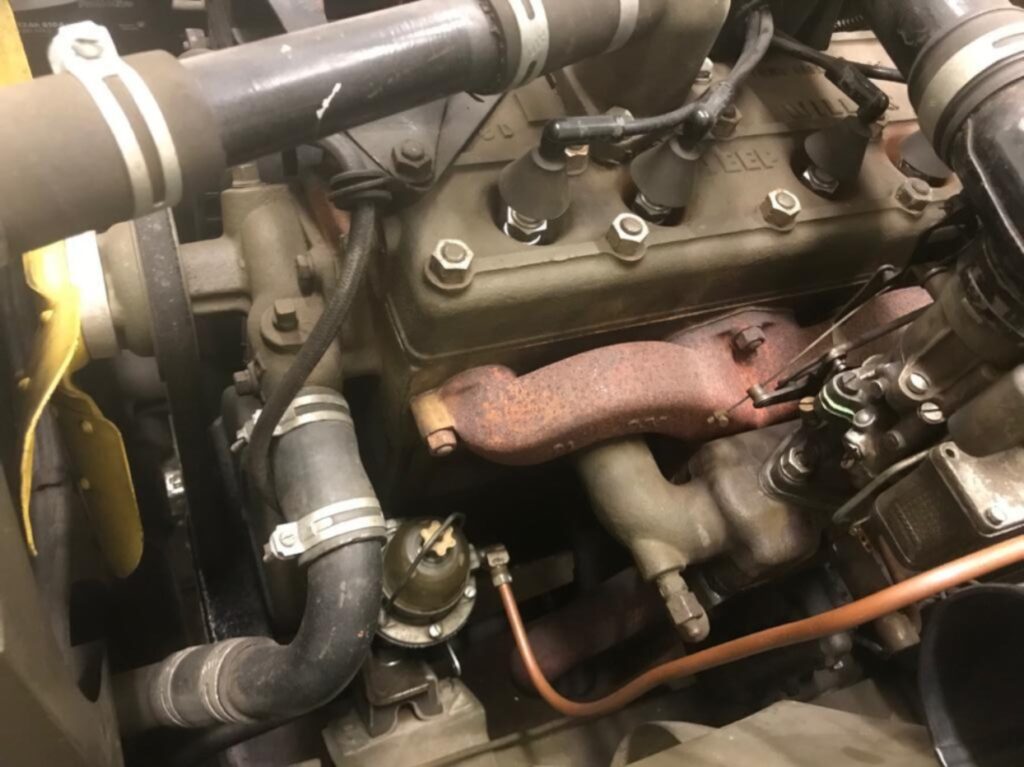
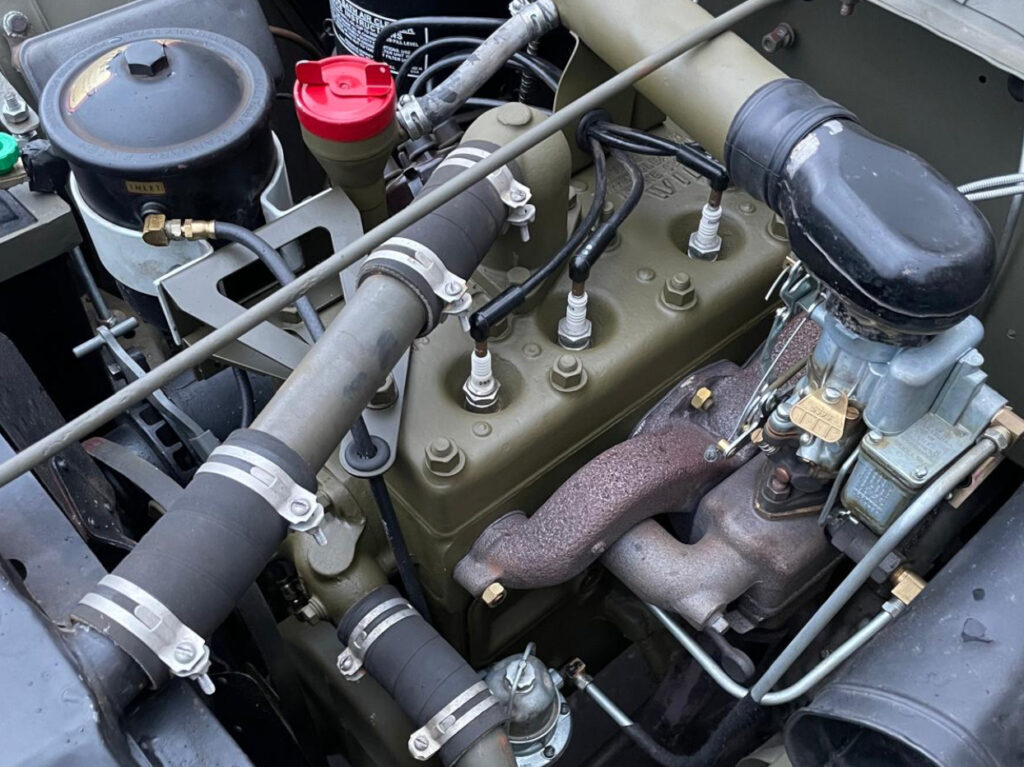
One of the easiest ways to distinguish between a wartime and postwar engine is the shape of the water pump:
- war pump has a rounded top
- post-war pump has a flat top
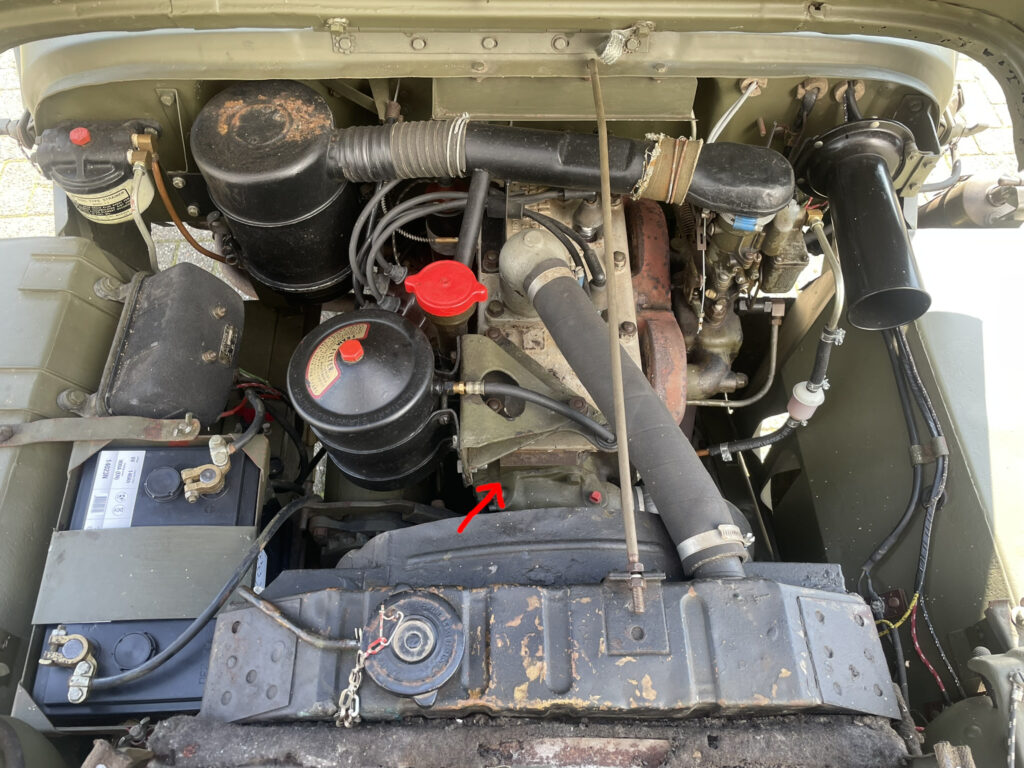
An additional indicator can be the engine head. Post-war heads often have additional cooling fins, but the head is easily changed and is therefore not sufficient proof by itself.
Engine number
The engine number is located behind the oil filter, on the right side of the block. The serial number is useful for identification, but must be checked against the casting number and other details.
Ford GPW
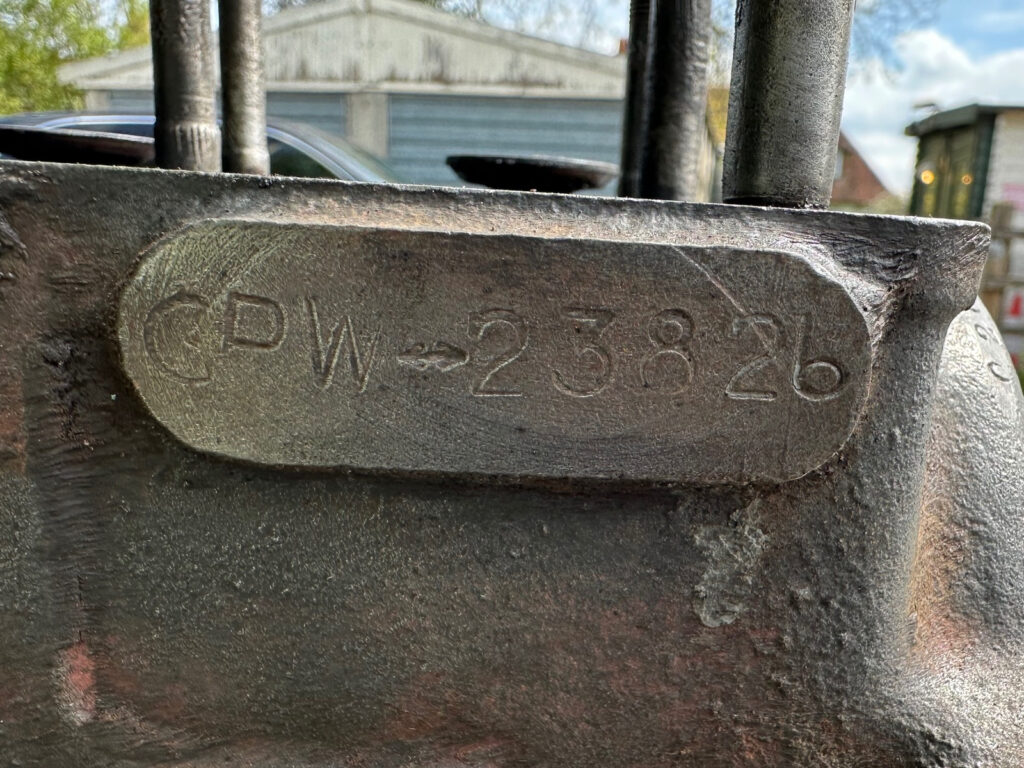
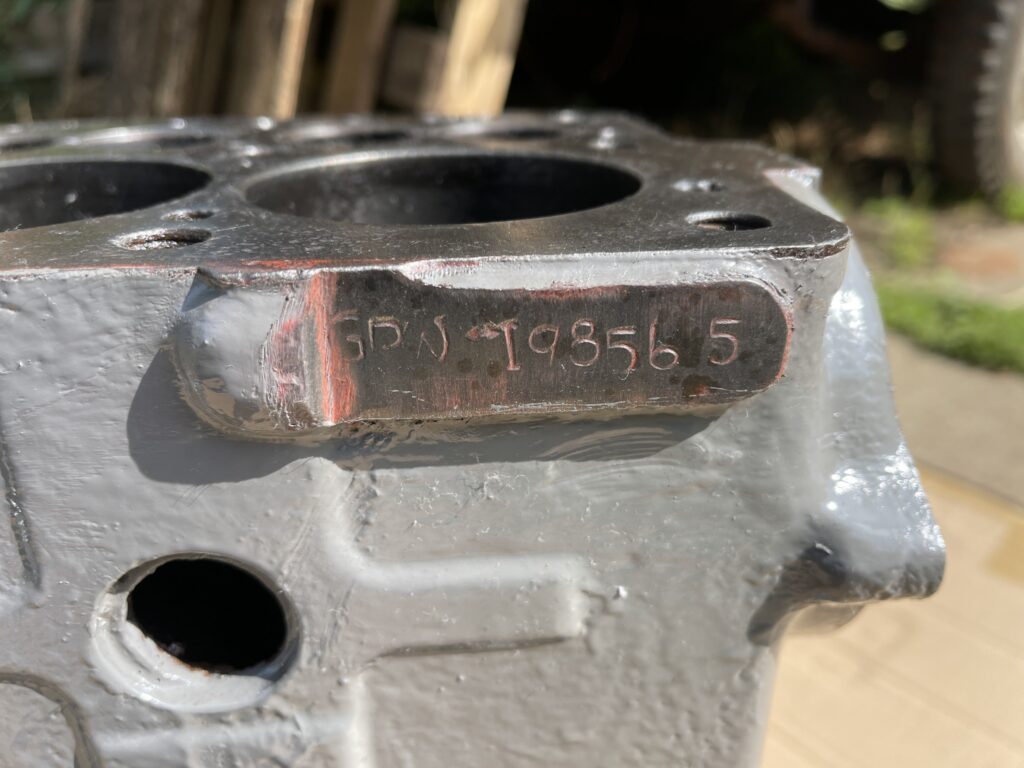
Correct Ford engine is marked GPW-xxxxx. In Ford vehicles, the engine may match the chassis number and the plates on the instrument panel, as the engine is stamped first, followed by the chassis with the same number.
Early Ford blocks (before August 1942) have a completely flat serial surface, while later ones have a distinctive step shape on the left side.
Addendum: early GPW labeling variants
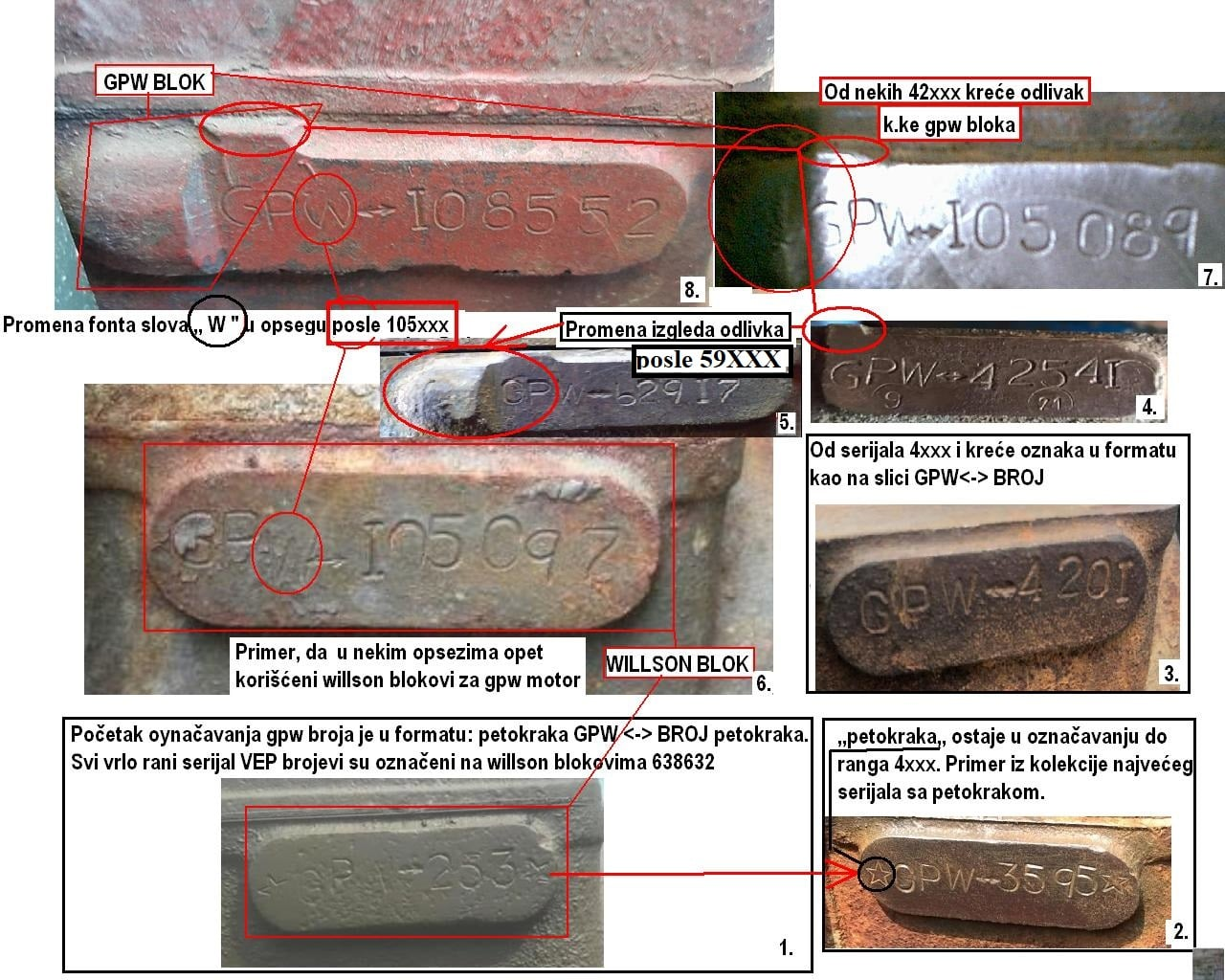
On very early Ford GPW engines, several transitional variants of number embossing are encountered. The earliest VEP examples show the five-point format with the GPW designation, often on Wilson blocks 638632, while from about the 4xxx series the format becomes established GPW-number.
Additional changes can be seen in practice: after the range around 59xxx the appearance of the serial field changes, after around 105xxx the font changes W, and in some ranges Wilson blocks for GPW engines were used again. With blocks from the range of approximately 42xxx, the more recognizable GPW casting type also begins.
Willys MB
Willys MB engine is marked MB-xxxxxxx. Early and late examples are marked differently, and the engine number can help approximate dating by comparing it with the Willys MB chassis date.
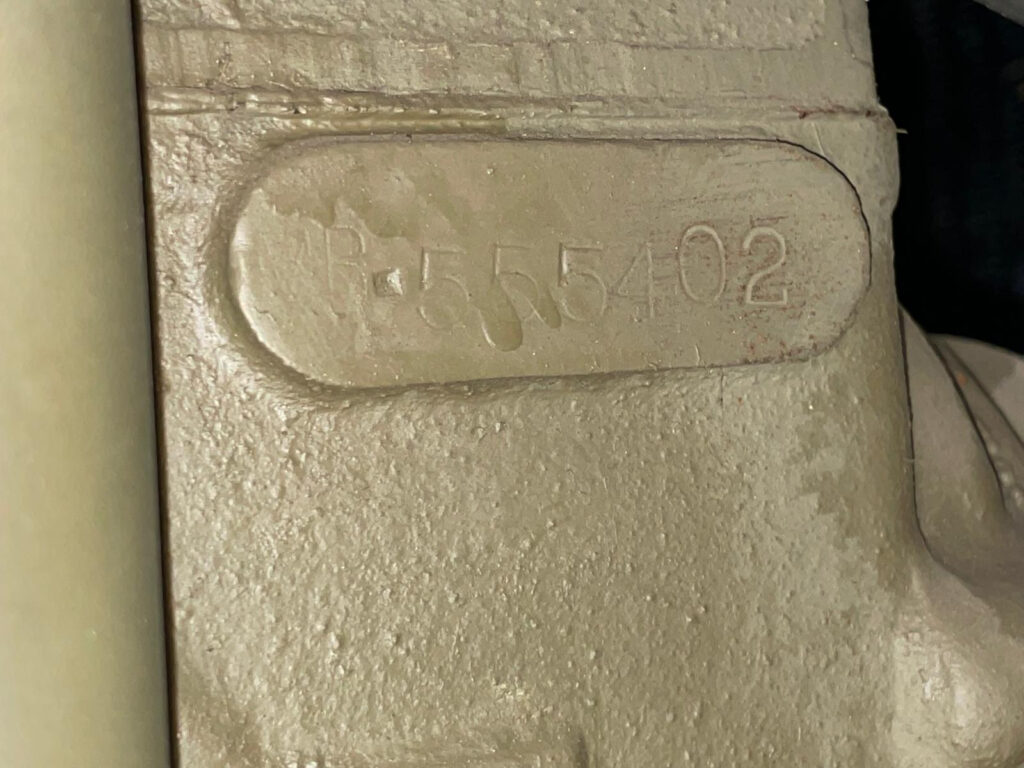
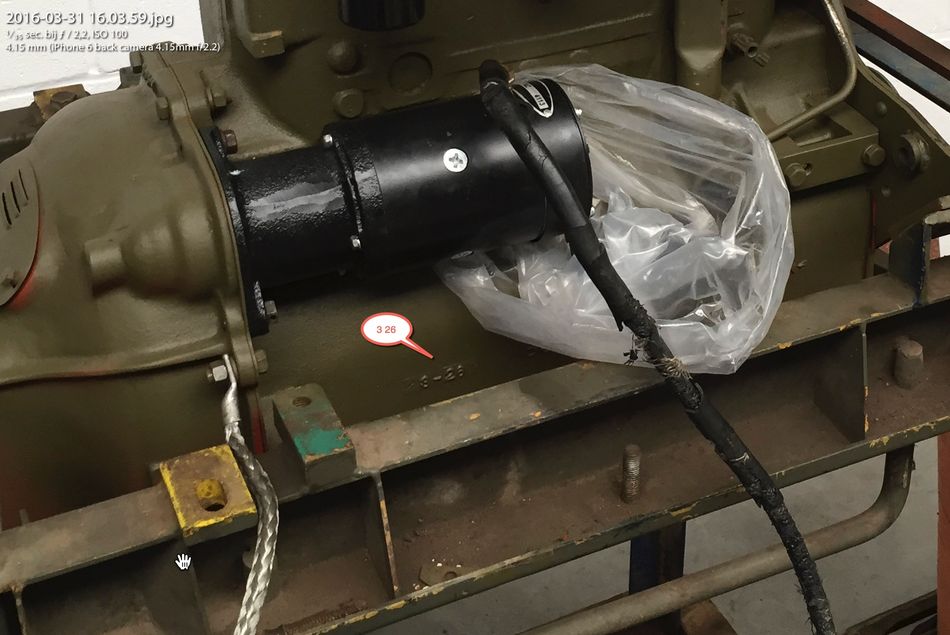
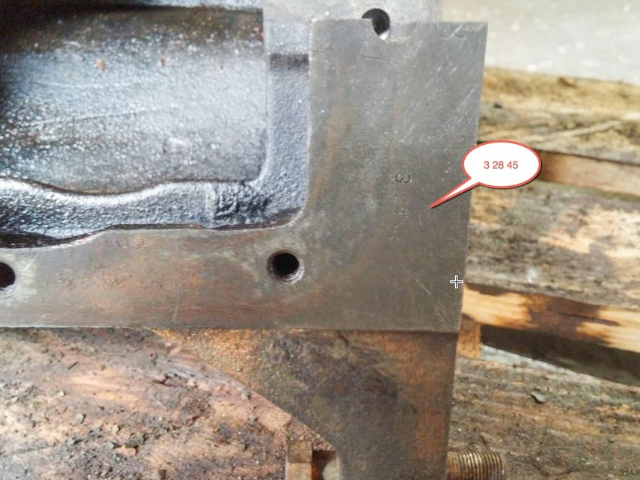
The machining date of the Willys block is stamped on the lower flange of the block near the rear. To read, it is necessary to remove the crankcase and clean the surface. The casting date is on the back right of the block, next to the casting number. There are also blocks without a serial number; these are often replacement or post-war installed engines.
Engine Cast Numbers
The engine casting number is important for identification because, unlike the serial number, it cannot be easily forged. The markings are part of the block casting process itself.
Ford GPW
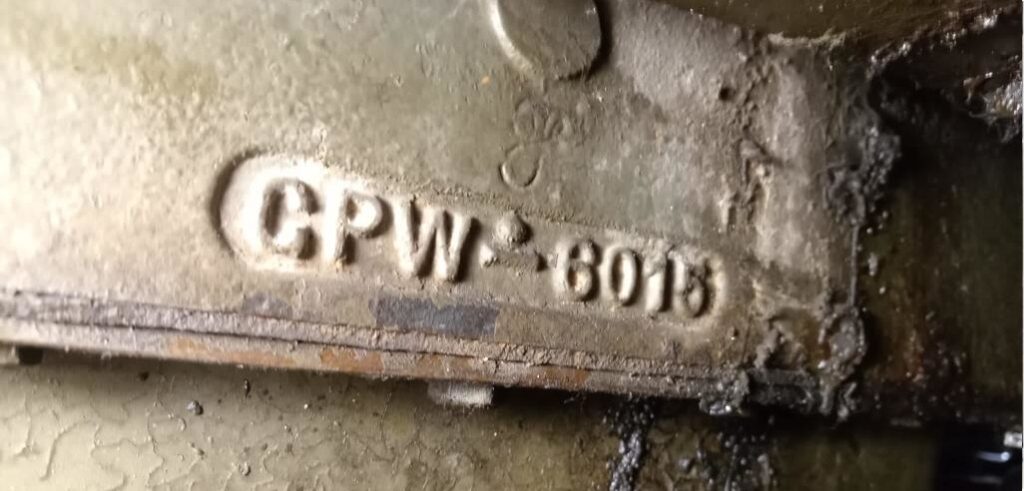
The correct Ford part number is GPW-6015, and it is located in a straight line under the distributor, at the bottom of the right side of the engine.
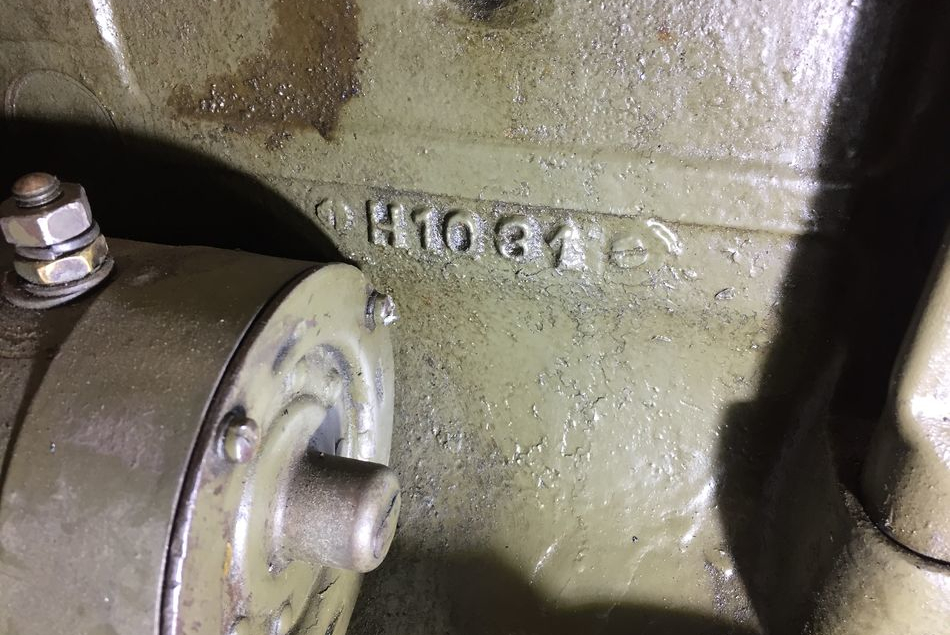
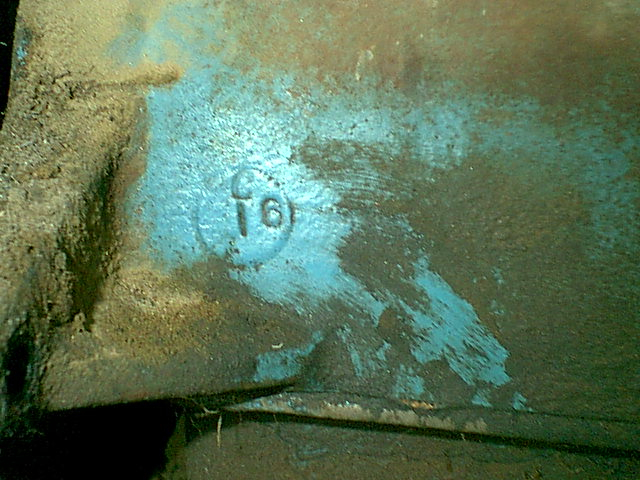
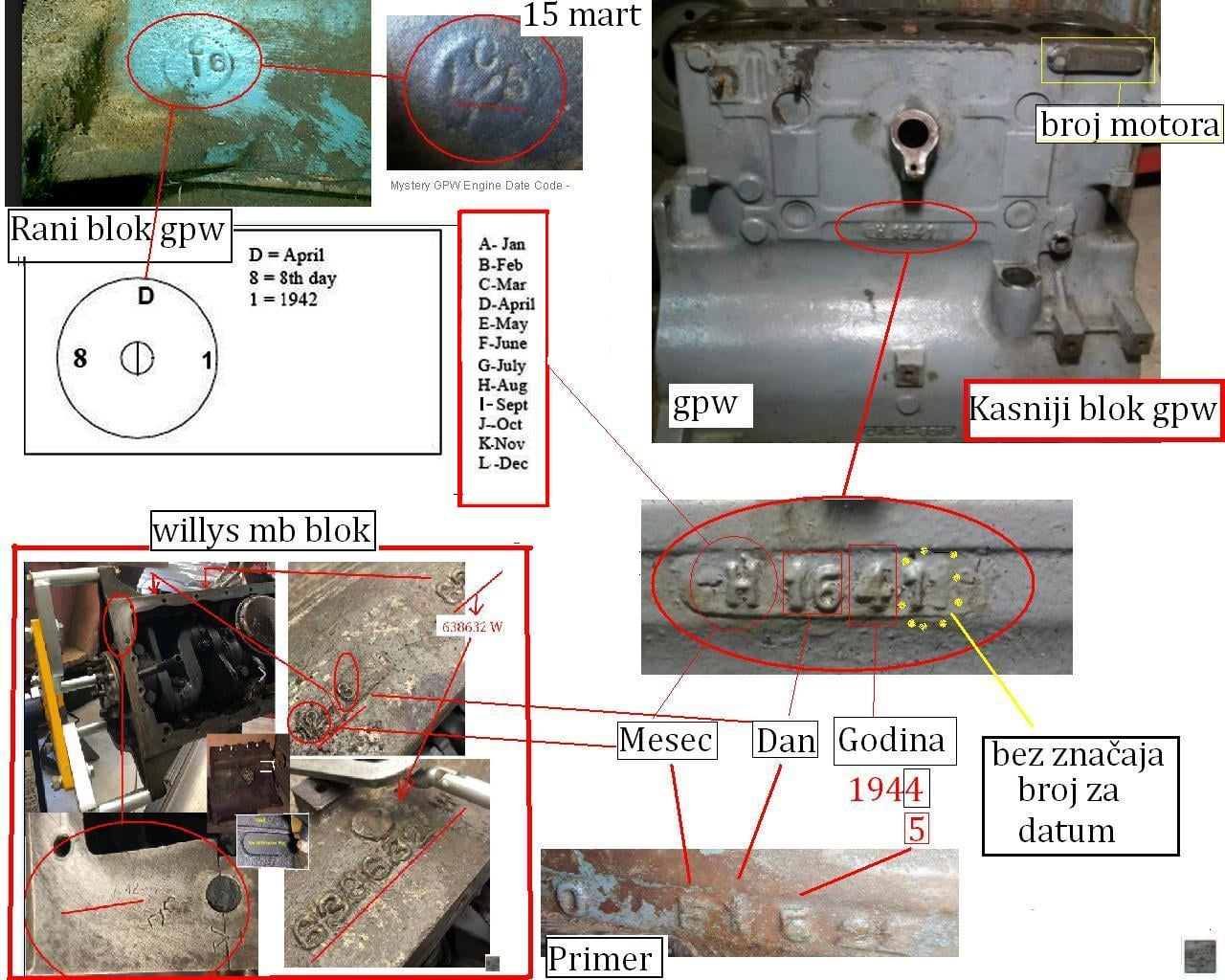
Early Ford blocks had a casting date code on the lower rear right corner of the block, in a small circular field. The label includes the letter for the month (A–M, no letters I) and two numbers for the day. Around August 1942, the casting date is moved below the distributor. For example, a label K941 means: K = October, 9 = Day, 4 = 1944.
Addendum: Early Ford GPW Block Marking Type
By the first half of 1943, an older type of Ford GPW block marking appears. On early blocks the date is often in a circular field, while later blocks show a different layout and appearance of the markings on the casting and where the engine number is stamped.
Additional Source Note: Although it is often stated that there are no letters in the string I, there are also examples from practice where it still occurs with later letter marking. That's why it's best to always compare multiple details of the same block, not just one tag.
Willys MB
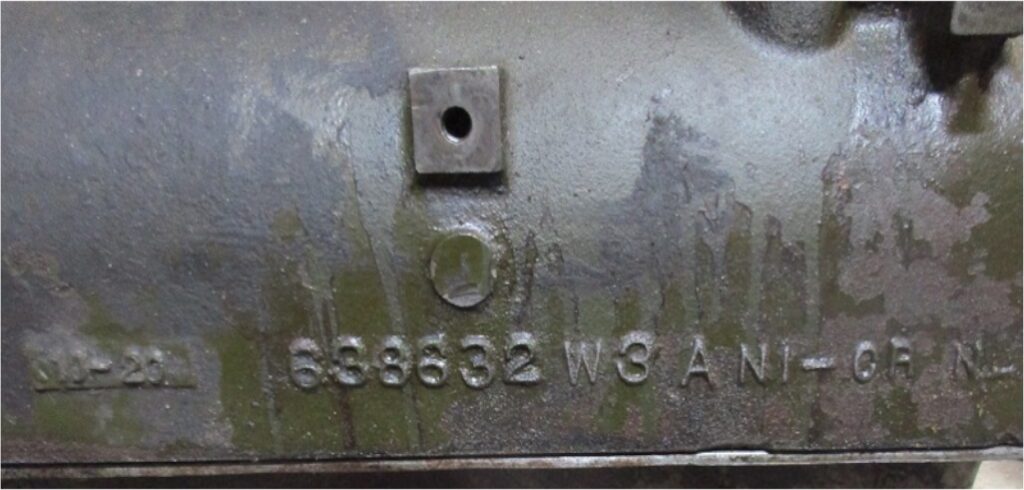
He produced engines for Willys MB Wilson Foundry. An example of a casting number is 638632 W3 A NI-CR.
- 638632 – part number
- W – Wilson Foundry
- 3 – mold station designation
- NI-CR – nickel-chromium alloy
Mold War Marks most likely include: W1, W2, W3, W4, W5, W6.
Bodies
Bodywork is a complex topic because many changes were introduced during the war, and after the war there were also new designs for CJ and Hotchkiss vehicles. Ford built its own bodies until the middle of the war, while the Willys MB used the company's bodies American Central Manufacturing (ACM).
Ford bodies they don't body number on gusset brackets, while ACM bodies have such a number. Body type is determined by a combination of several details.
When it comes to GPW vehicles, it is important to emphasize that all GPW bodies were produced by the Lincoln plant, while final assembly was done at various Ford GPW plants. GPW engines were also produced at the Lincoln plant in River Rouge, Michigan, which was only 6 to 8 miles from the plant where GPW bodies were built. It clearly shows that Ford's production was organized and logistically tightly connected. In contrast, with Willys the situation was simpler and clearer, as production was consolidated in Toledo, Ohio.
Basic division
- Ford bodies (Ford GPW)
- ACM Type 1 (Willys MB; briefly also Ford from September to December 1943)
- ACM Type 2 / Composite (Ford and Willys from 1944 to the end of the war)
- Post-war bodies (CJ, Hotchkiss, etc.)
Ford bodies
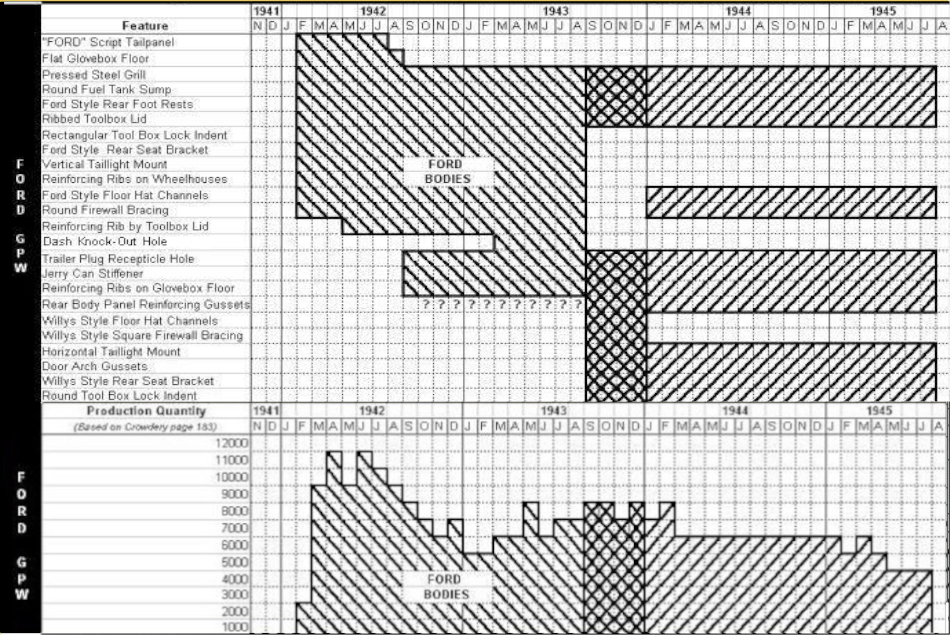
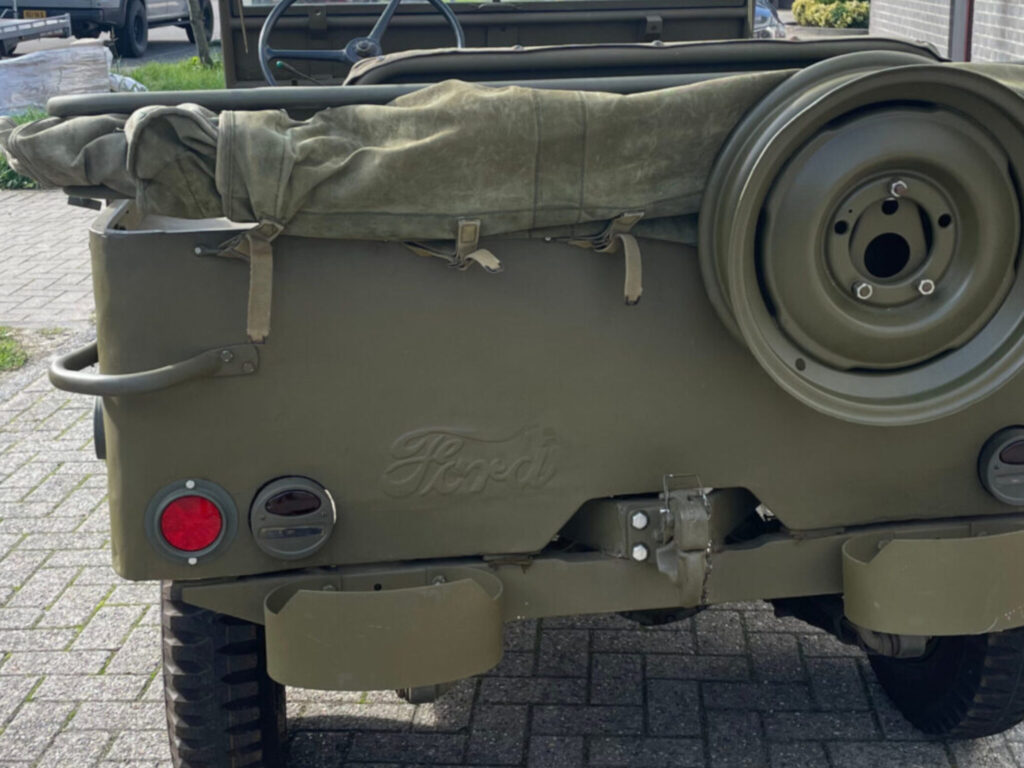
Ford uses its own bodies from February 1942 to September 1943. Early Ford examples (February–July 1942) had a script panel at the rear, and in September 1942 more changes are introduced. Ford bodies are recognizable by the rectangular tool box locks, reinforcements on the wheelhouse part and Ford gusset supports.
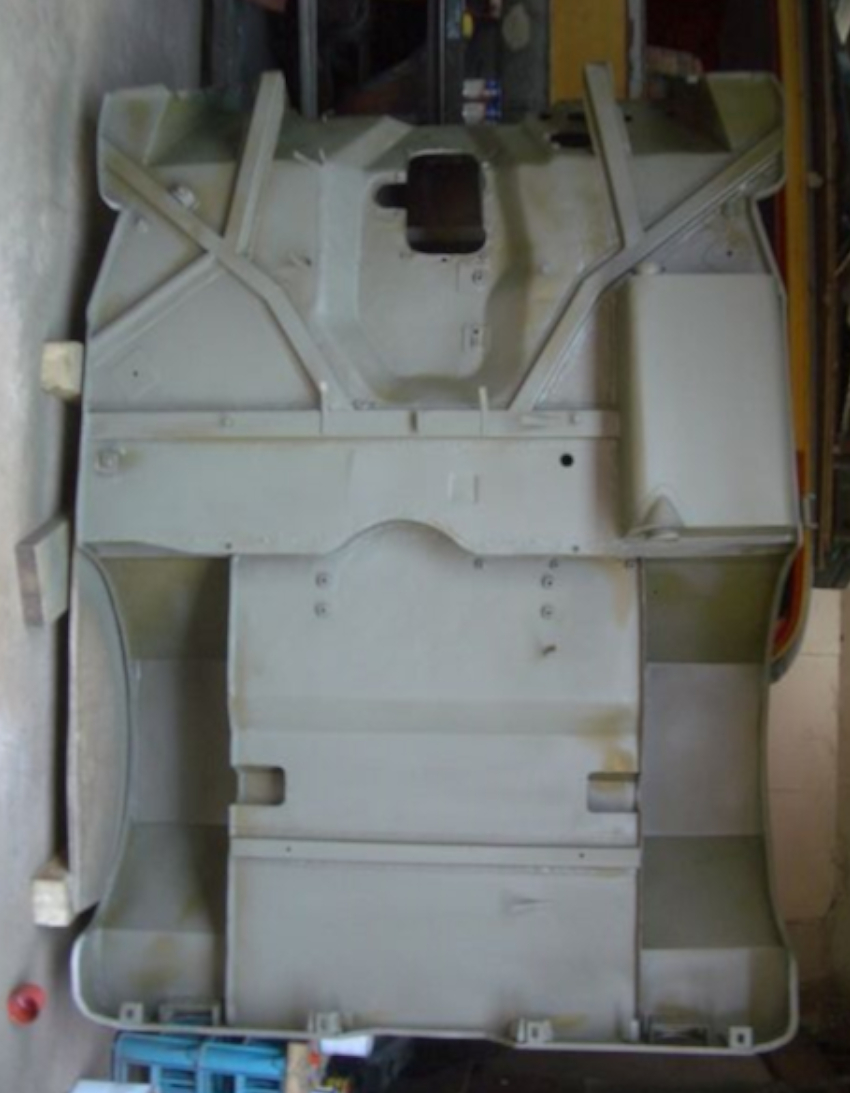
ACM Type 1
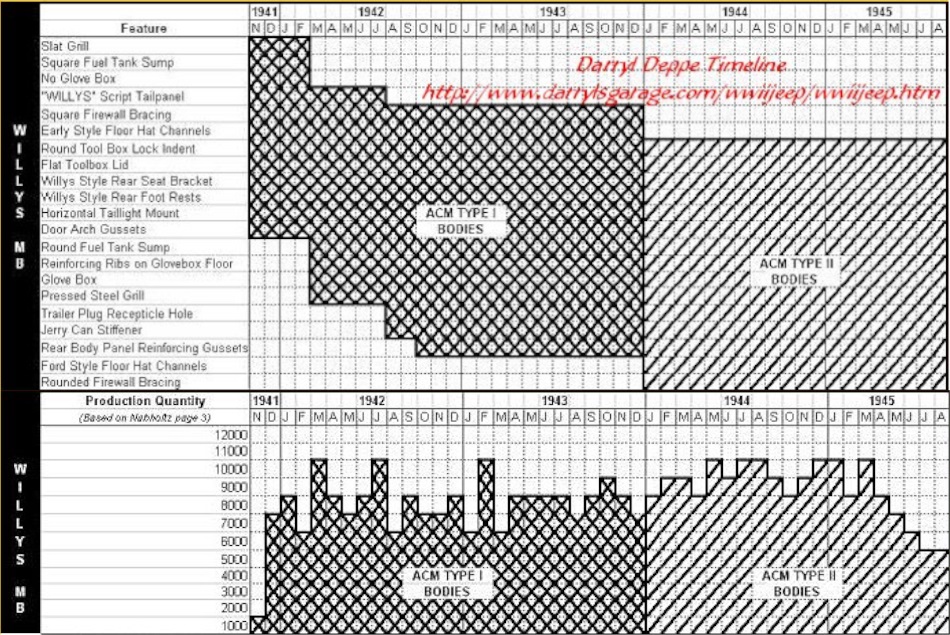
ACM Type 1 used by Willys MB from November 1941 to late December 1943, with changes over time. It was used by Ford for a short time, from September to December 1943. It is recognizable by its different underbody and different gusset mounts; body number is located on the front of the gusset.
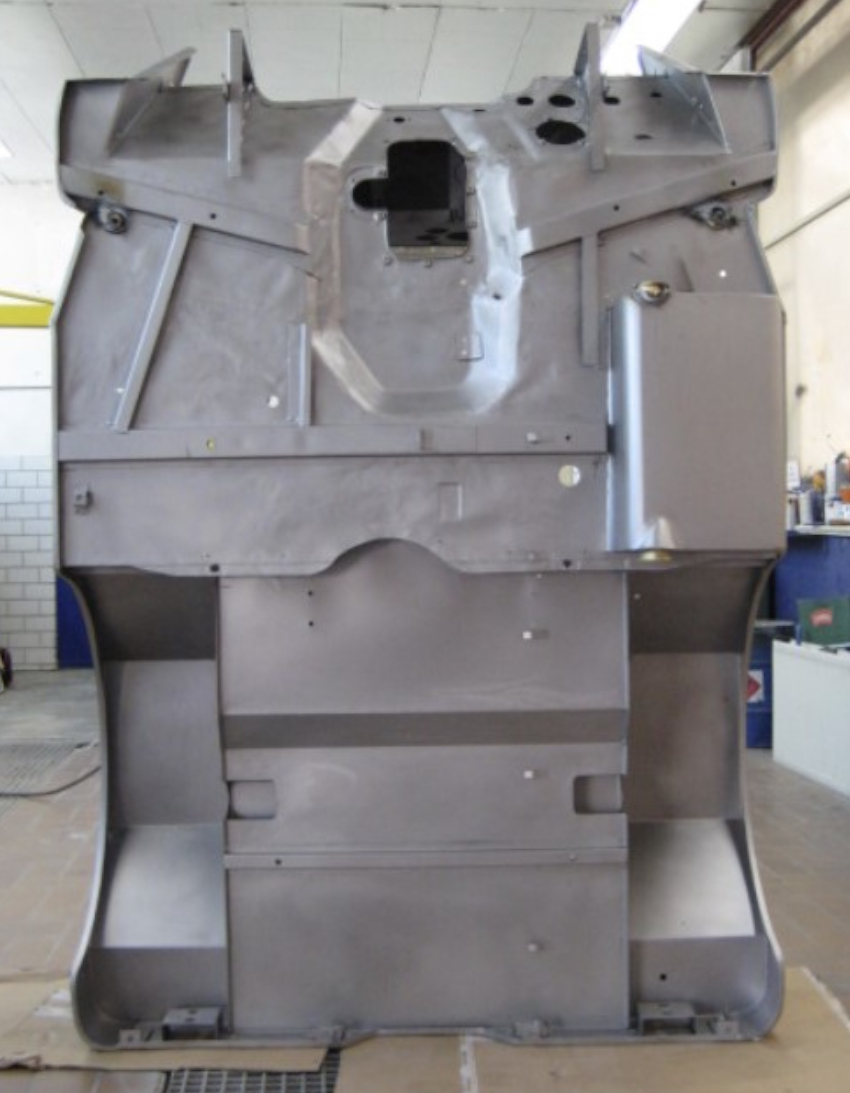
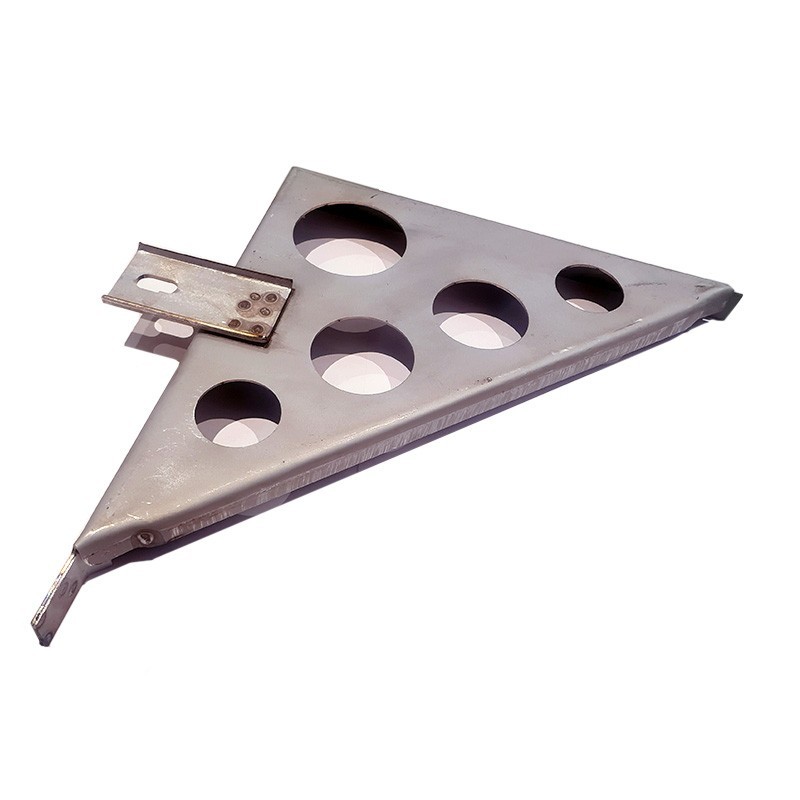
ACM Type 2 / Composite
Composite bodywork introduces the best elements of Ford and Willys solutions. It has Ford style lower hat channel profiles, but without the rectangular tool box locks. It also uses the Ford style gusset mounts, but with the body number stamped on them.
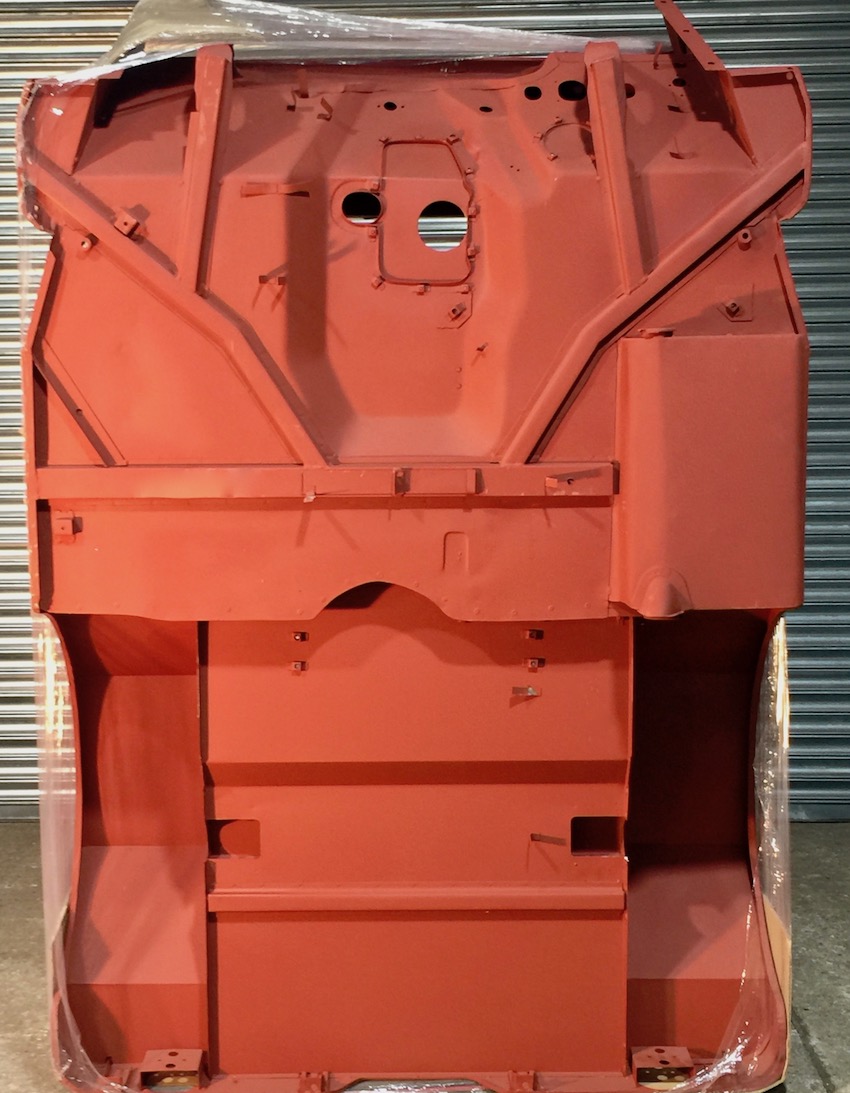
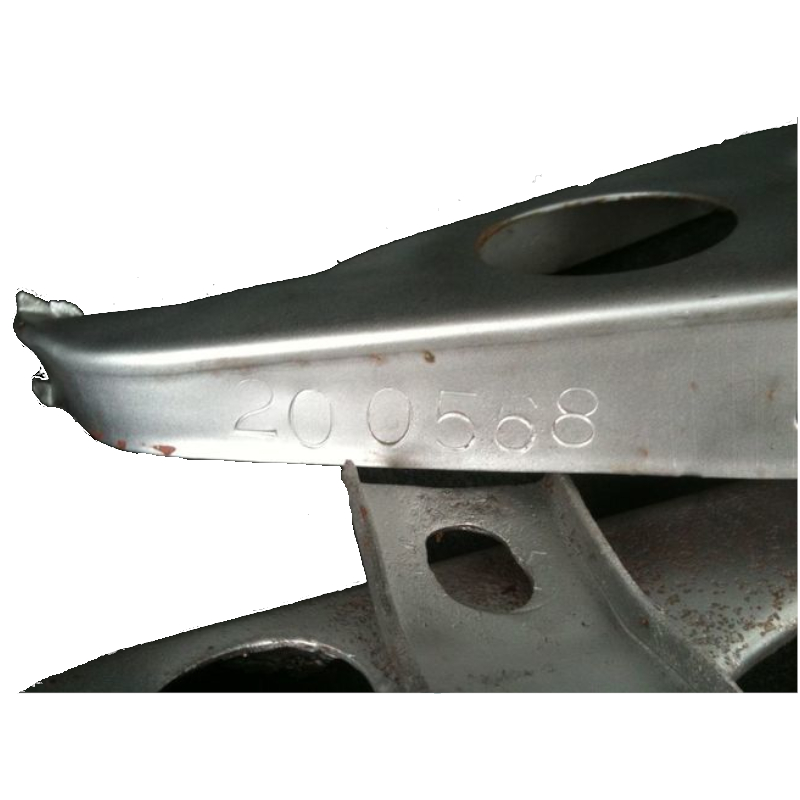
ACM body number
The ACM body number is located on the body gusset bracket and is an important indicator of the type and approximate period of manufacture of the body. Ford-made bodies do not have such a number, while ACM Type 1 and ACM Type 2 do.
The ACM number does not always correspond directly to the chassis number, so it is used as an aid in dating and body type identification.
Body details
Hood hinges
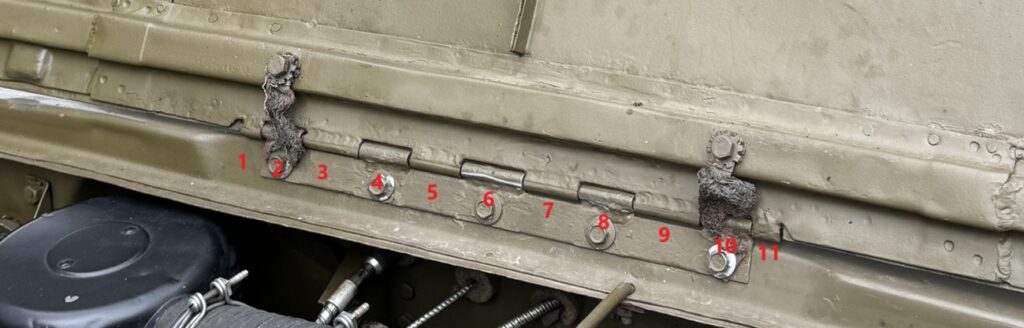
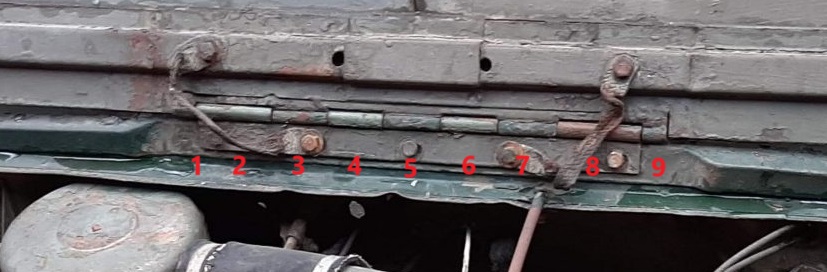
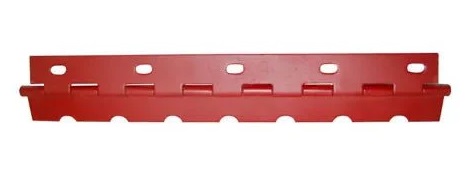
Ford uses 11-piece hinge for own bodies and ACM Type 2 bodies, with Ford "F" designation. Willys MB uses 9-piece hinge; after December 1943, an 11-piece hinge is used, but without the Ford badge.
Ford dashboard details
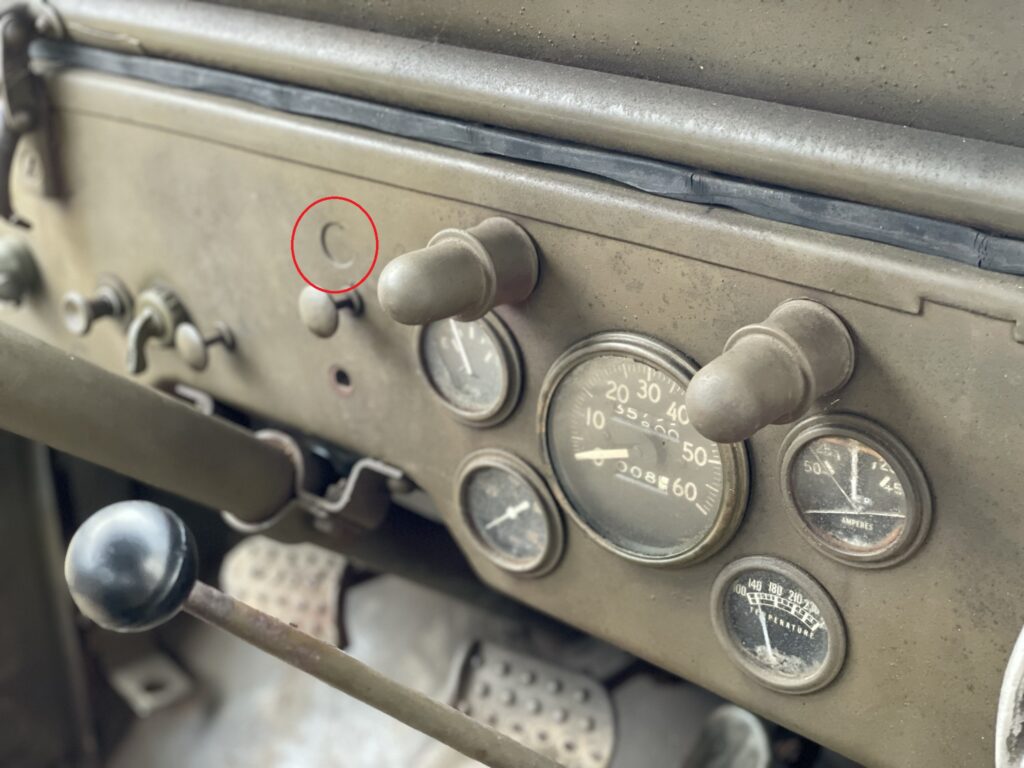
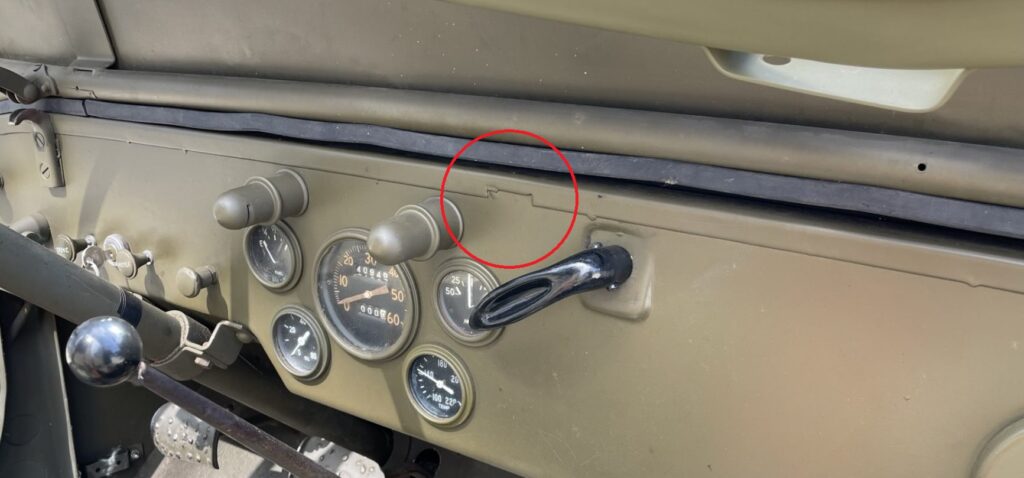
A good detail to identify a Ford body is dash knock-out hole, used between March 1943 and late August 1943. Used for winterization set hand pump and found only on Ford-made bodies.
War and post-war production
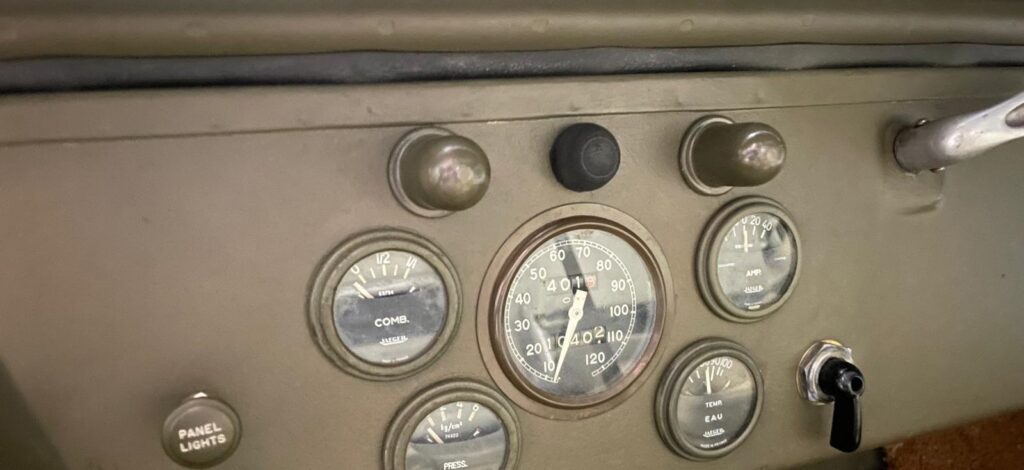
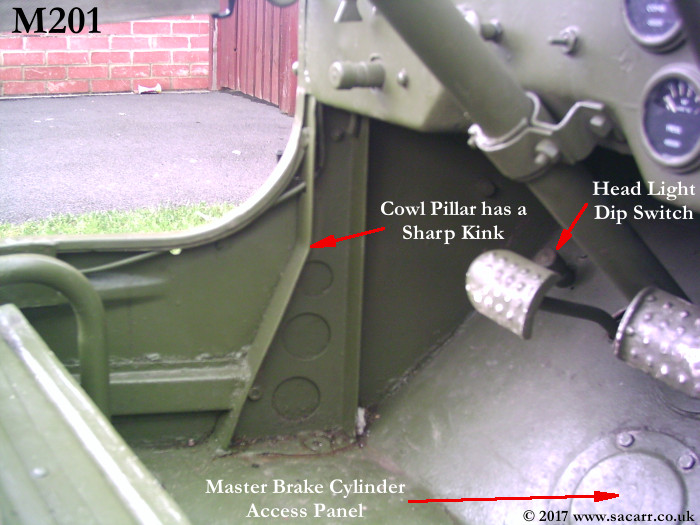
Postwar Hotchkiss and M201 bodies often resemble wartime bodies, but small details tell the difference. It is particularly important cowl pillar: in war production, the bend is properly rounded, while the M201 has a pronounced sharp break.
Springs
Ford GPW
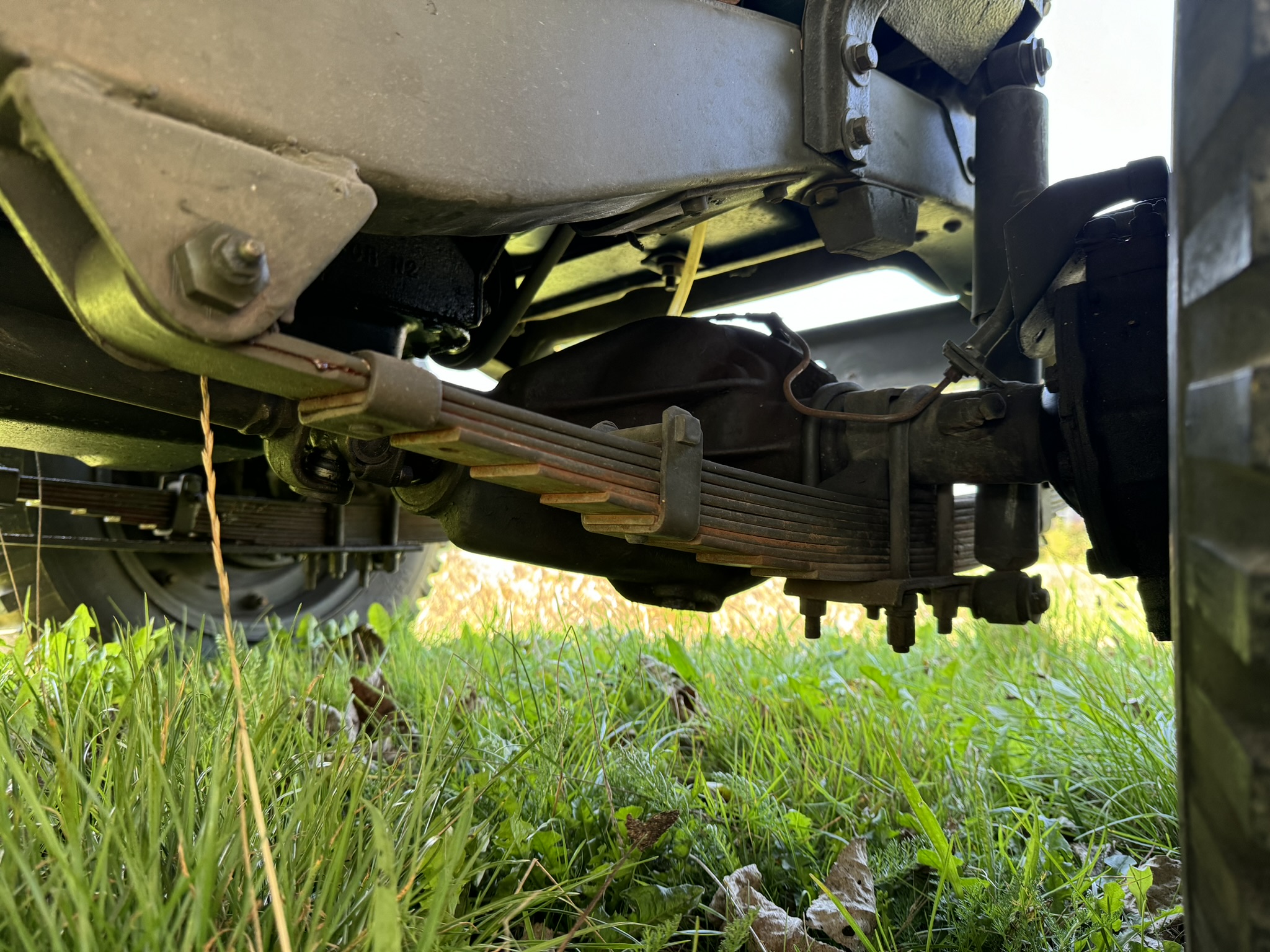
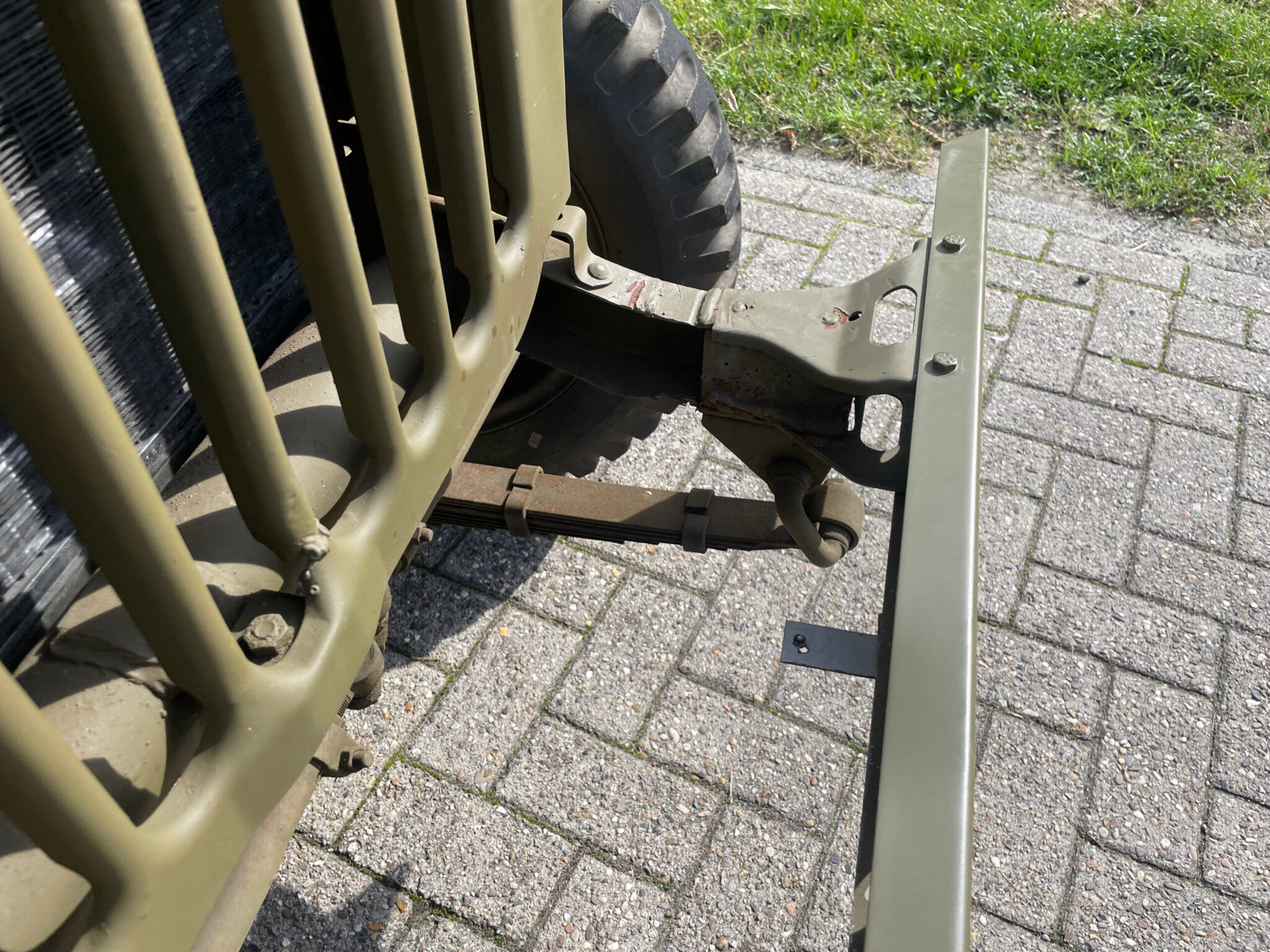
Early production until September 1944, the Ford GPW has 8 sheets front and 9 back rounded at the top and folded sides. The left spring is marked with the letter "L" at the end of the leaf. The clamp is U-shaped, with one screw through the top of the spring.
Willys MB
Early production until September 1944, Willys MB also has 8 sheets front and 9 back, but the clamps are made from one piece of steel, crimped on the upper side of the spring.
Postwar M201
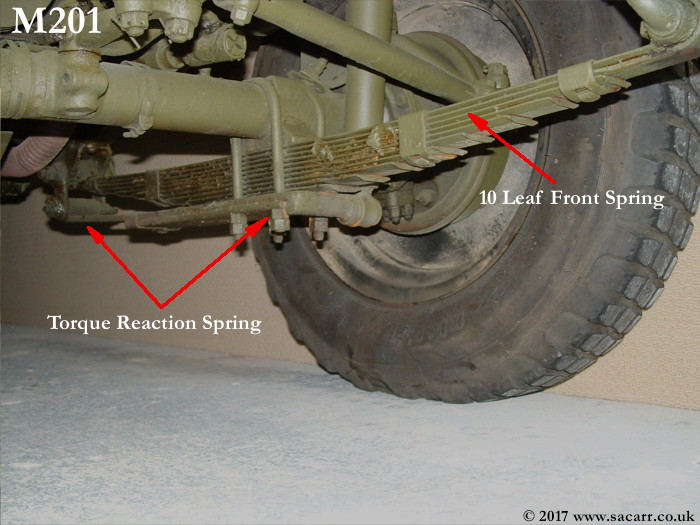
M201 uses 10 sheets in front and 11 in back, and the clamps are crimped on the underside of the spring.
Supplement for changing the number of sheets on war copies
TB9-803-5, dated 18 September 1944, Truck 1/4 ton 4x4 (Willys and Ford), installation of stronger front and rear springs 10 sheets in front and 11 sheets in back. The bulletin states that stronger front and rear springs are being installed in production on all 1/4 ton 4x4 Trucks.
transmission
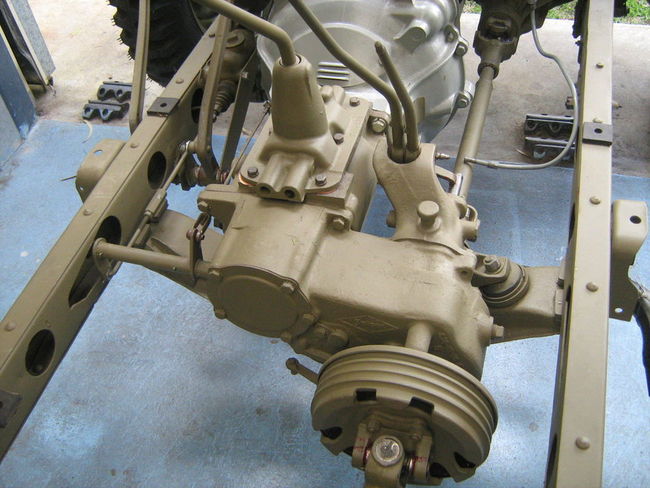
Correct transmission for Ford GPW and Willys MB is T-84. Post-war vehicles are often used T-90, and additional changes can be found in French and other post-war variants.
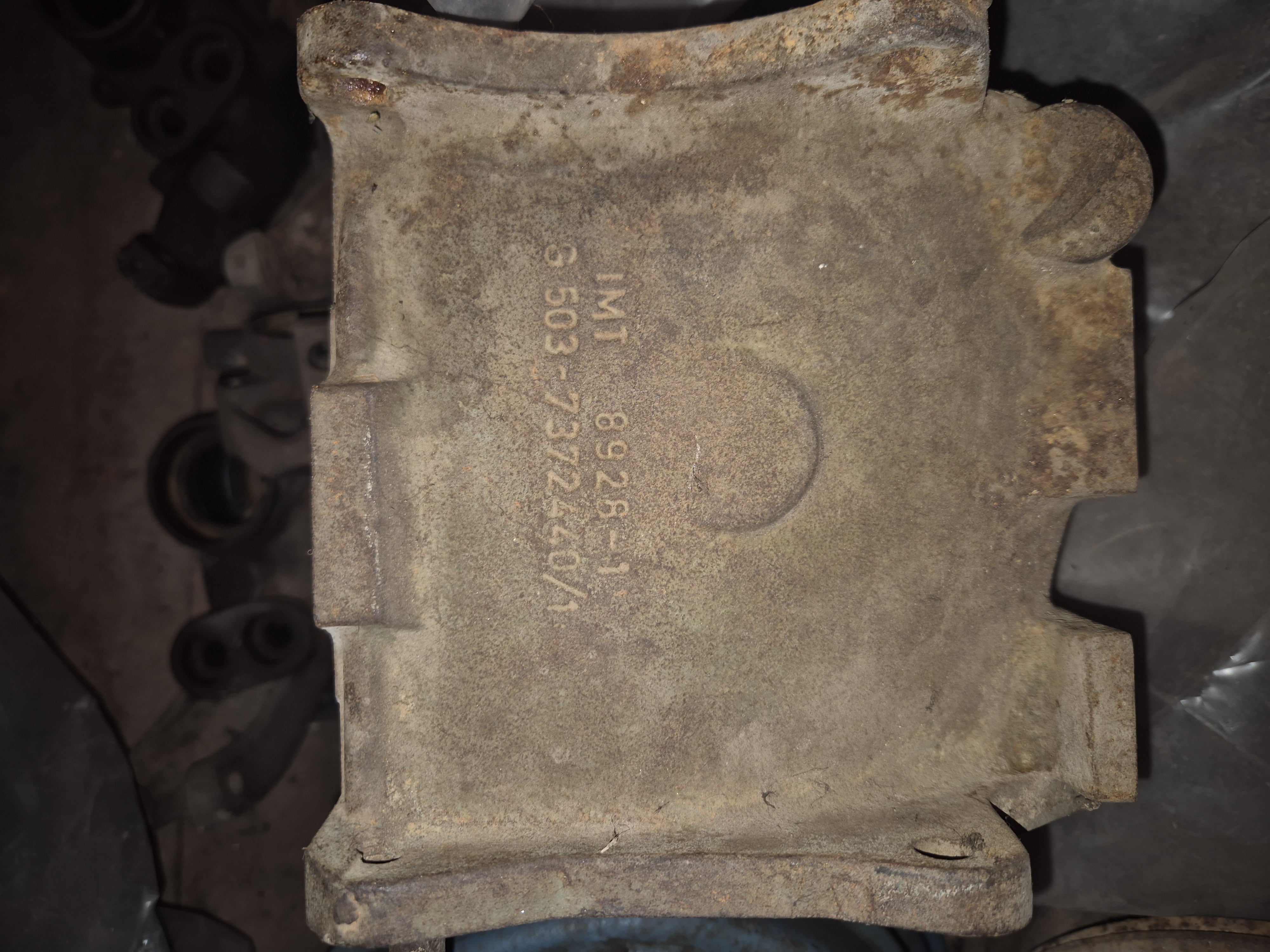
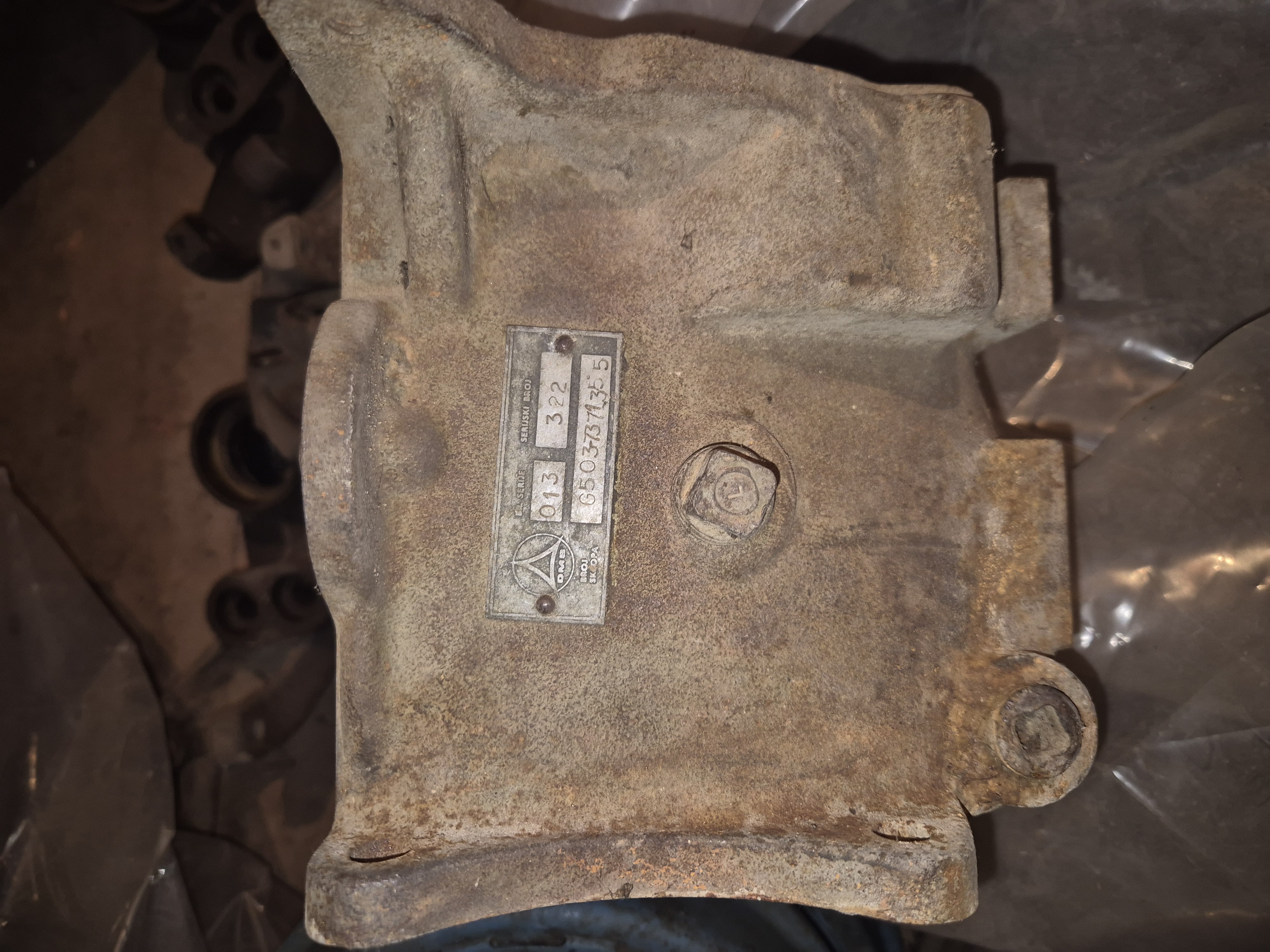
For reliable identification, all relevant transmission images used as examples on the source page are grouped here, without shortening the visual material.
Wartime Ford GPW and Willys MB transmission
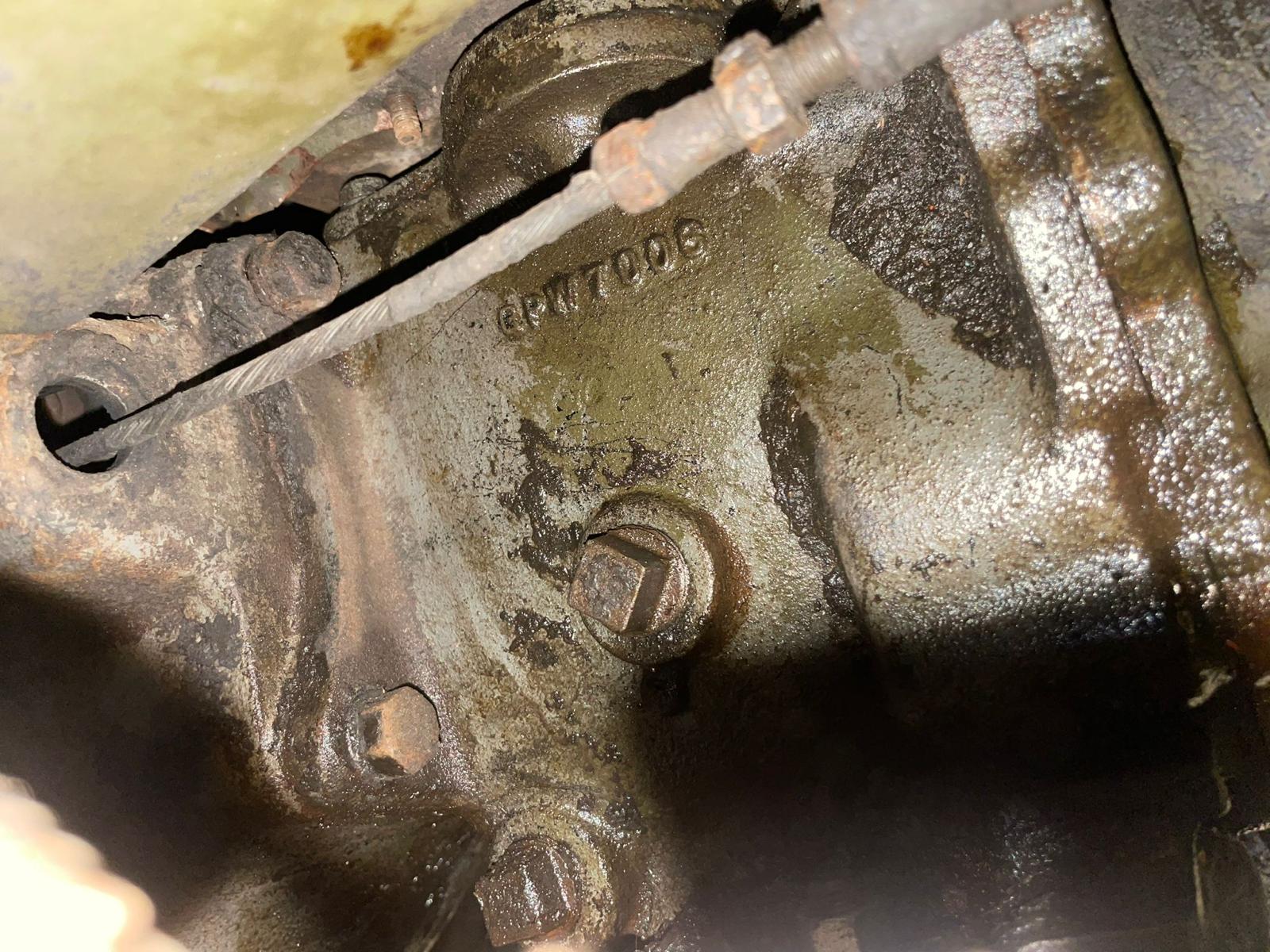
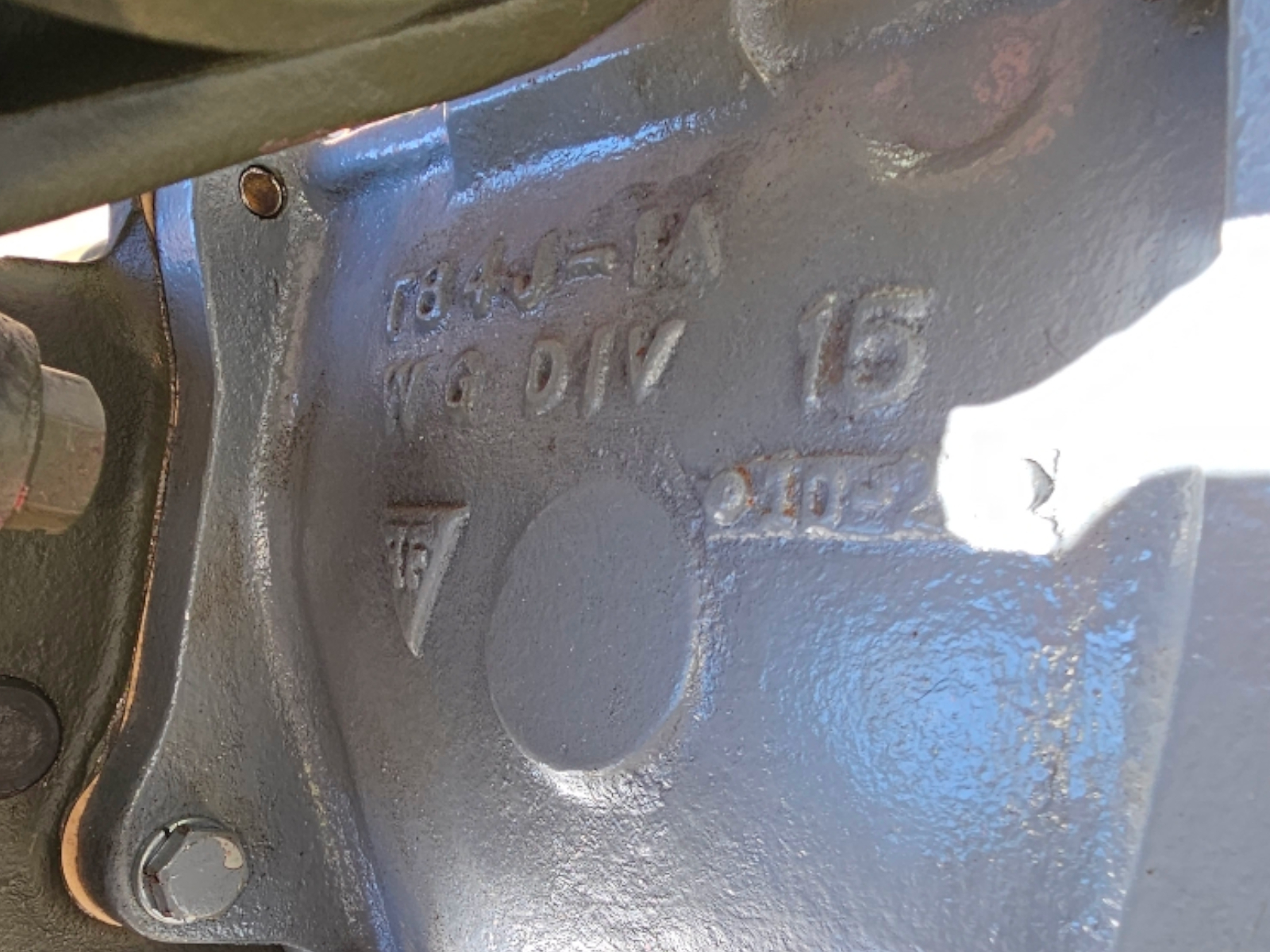
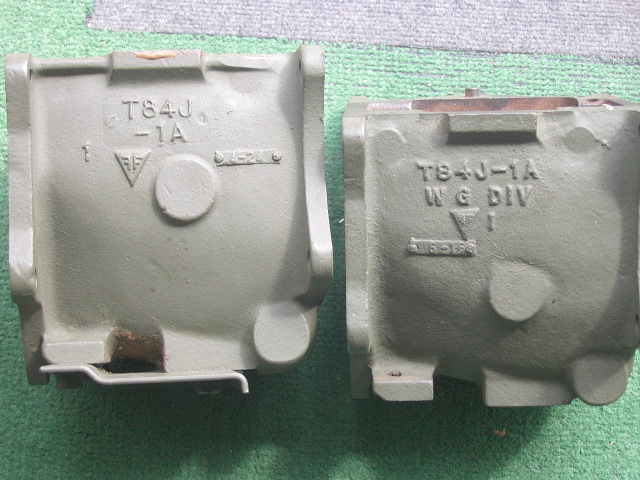
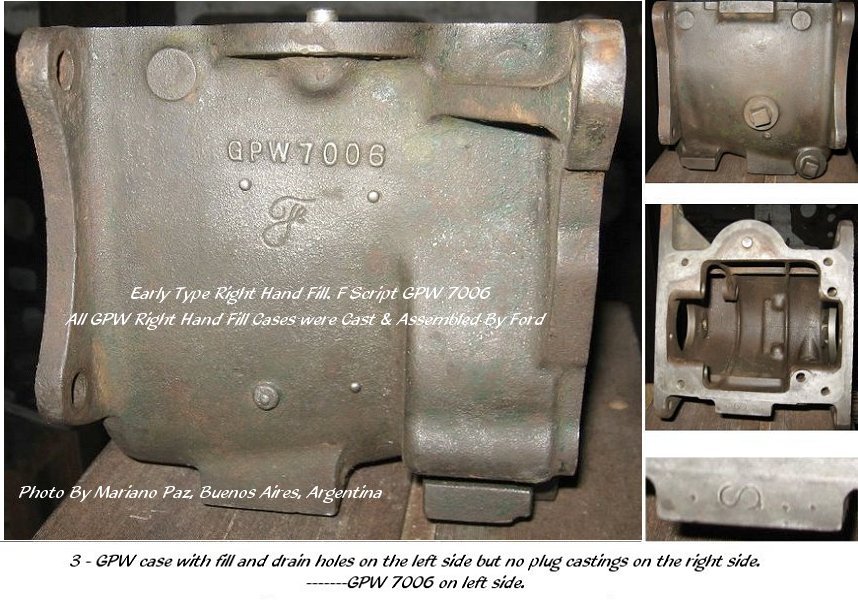
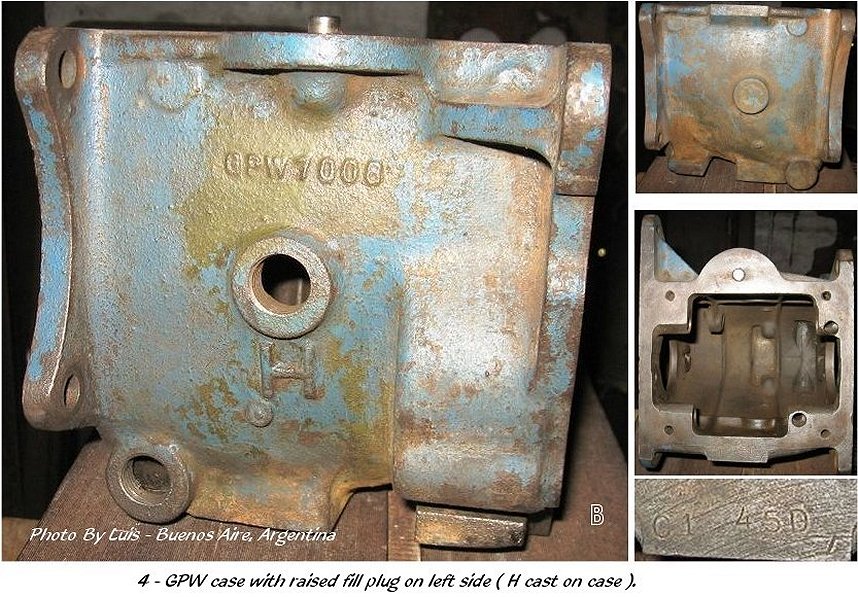
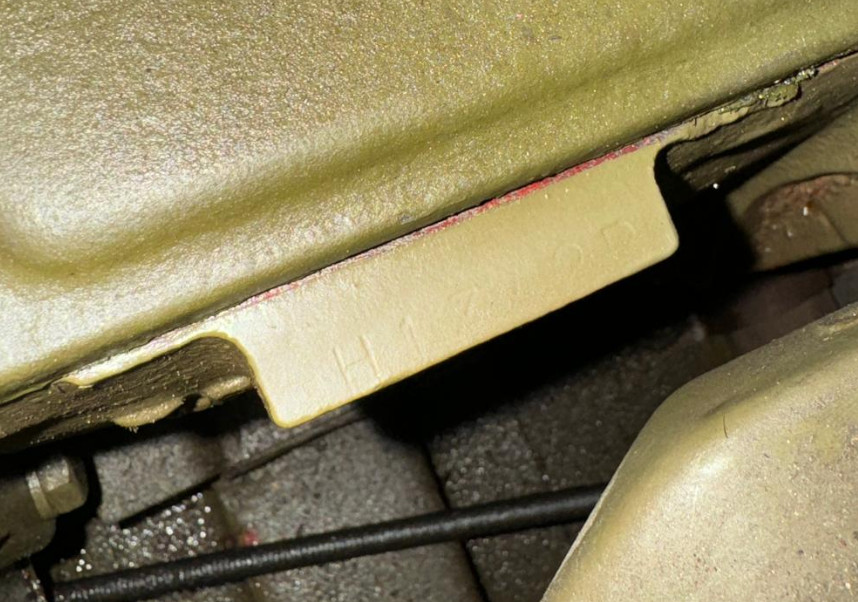
Additional case details and markings
Post-war variants
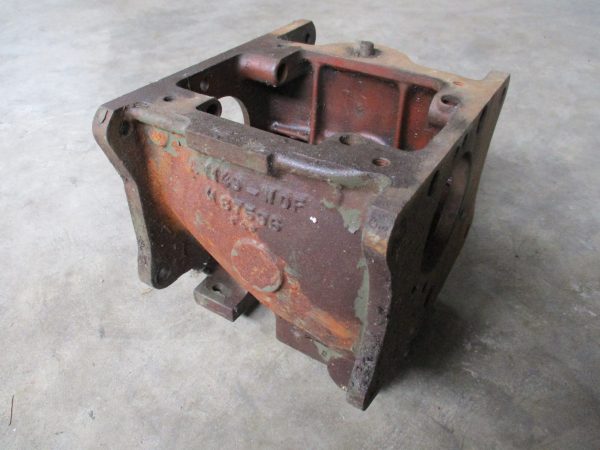
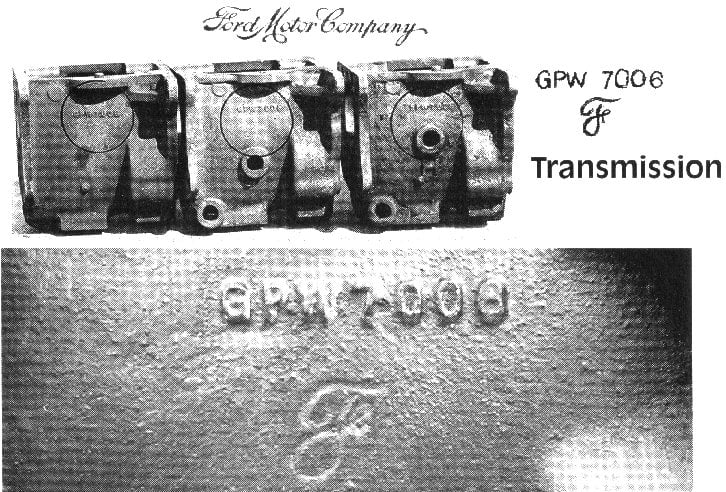
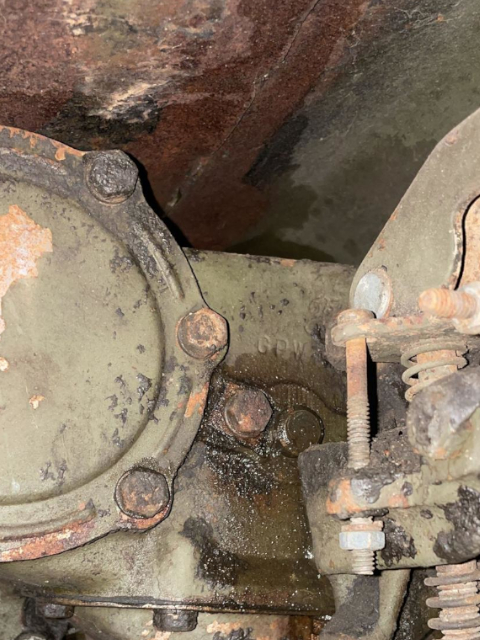
Ford GPW 7006 body tag
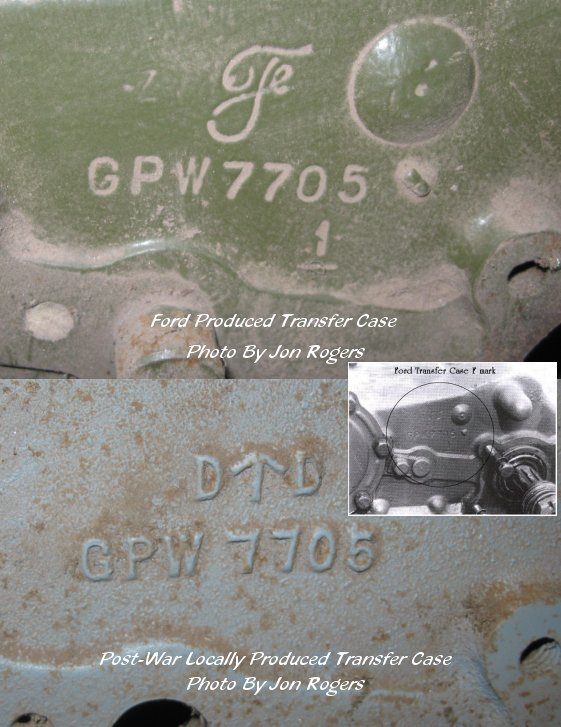
Genuine Ford GPW transmission housings may bear the tag GPW 7006 and Ford tag F, which is a useful detail in distinguishing a wartime Ford assembly from later replacement or mixed assemblies.
Drive distributor
The drive distributor transmits power from the transmission to the front and rear axles. It is used on military vehicles Spicer / Dana 18 assembly, while post-war vehicles are often replaced and modified.
The images below are grouped logically by war and post-war variants, but all relevant illustrations for this assembly have been retained.
War variants
Details of marks and numbers
Additional housing designations and transition types
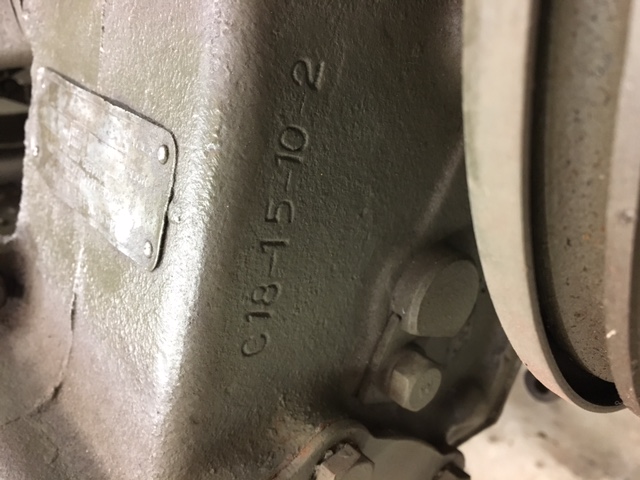
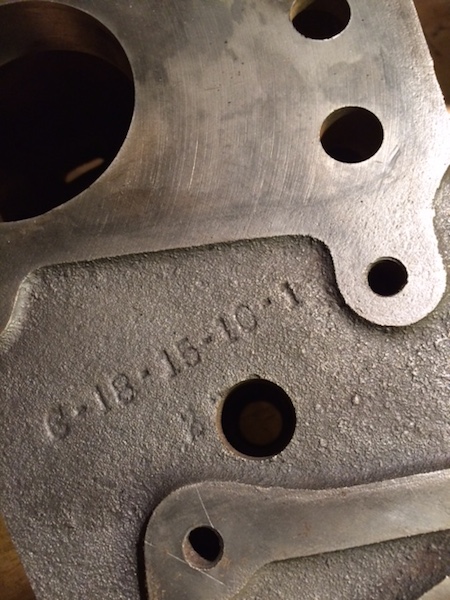
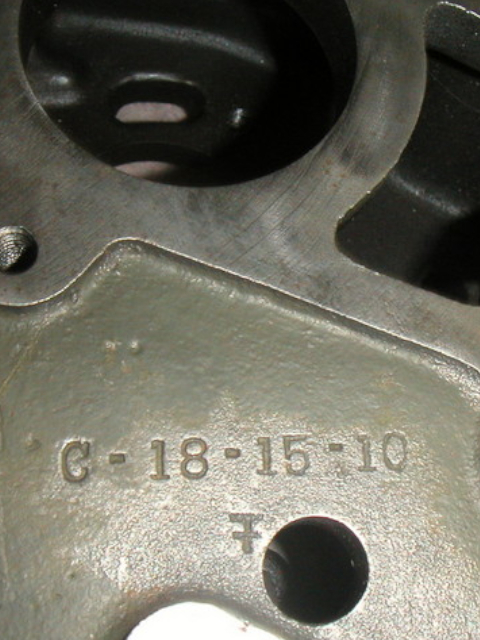
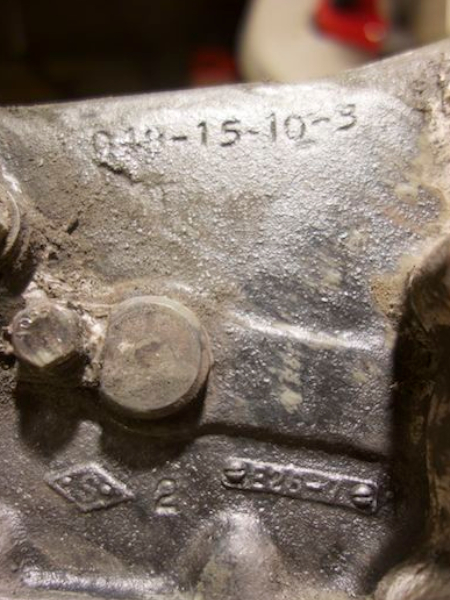
Markings on the front of the housing are very important for identifying the distributor housing. With the MB reducer, it appears as a war mark C18-15-10-1, while housings with markings C18-15-10-2 i C18-15-10-3 belong to the later civilian / T-90 variants and no longer fit the T-84 assembly without modifications.
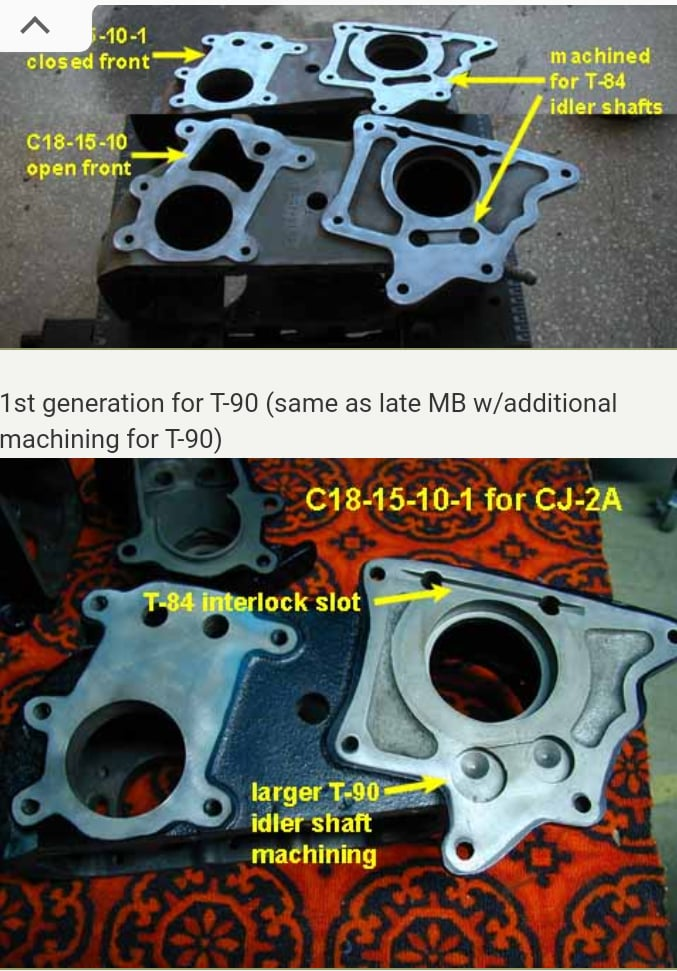
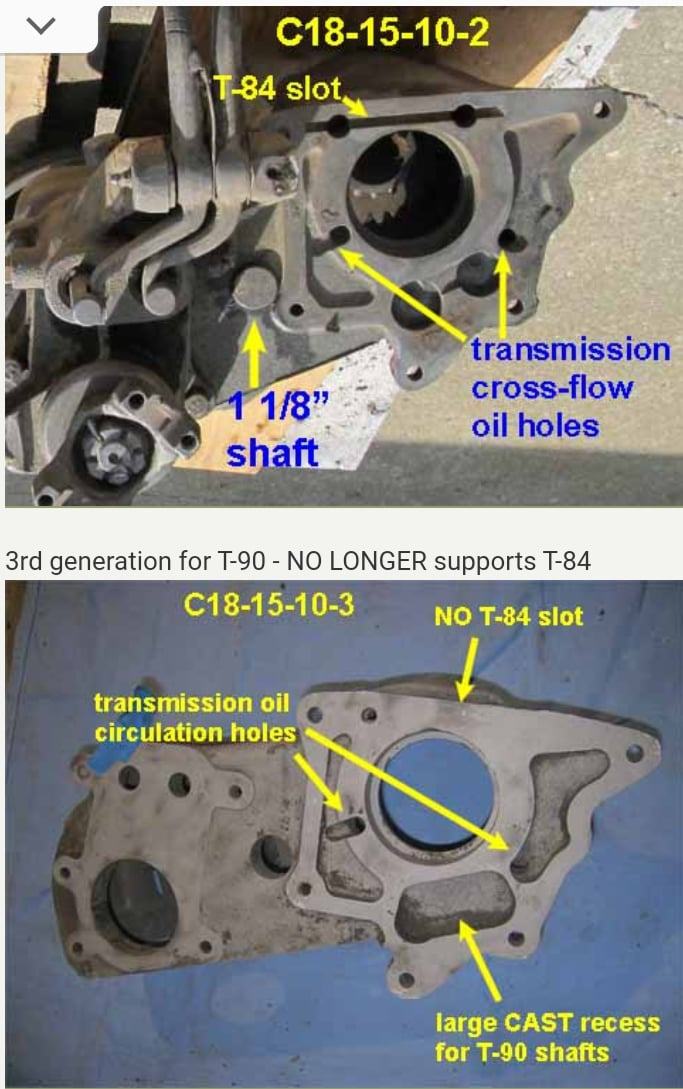
Note: on the MB reducer, the only mark that is taken as appropriate here is C18-15-10-1. Housing with termination -2 indicates CJ-2A / civil variant, so not to be confused with wartime MB/GPW part.
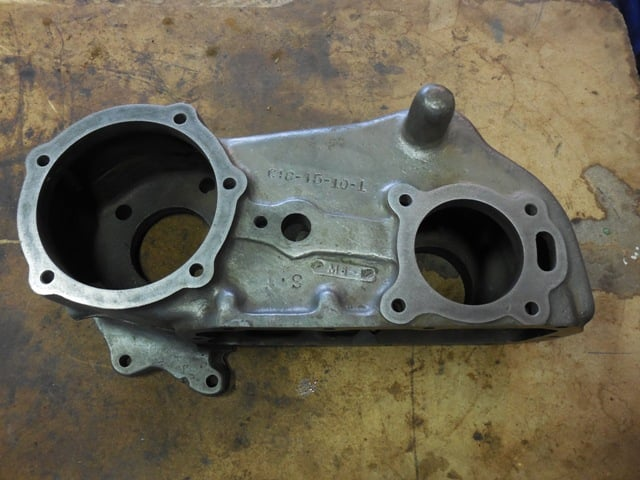
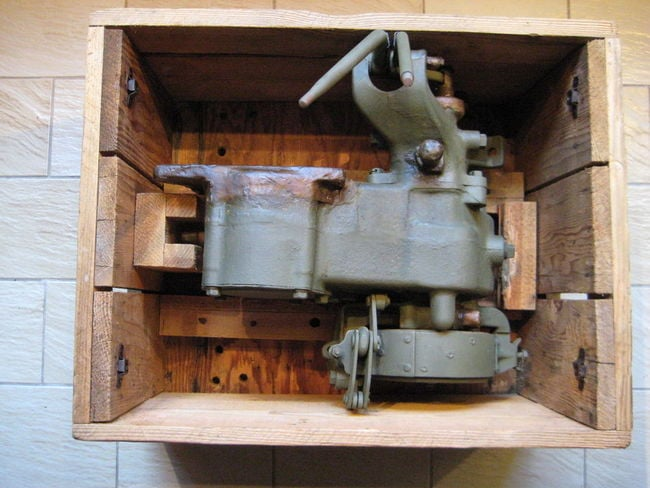
Reference C18-19-9 is found in the Willys distributor, and if the part has a Ford label F, then it is a GPW variant. The same basic badge continues to appear on later civilian parts, so the presence of the Ford badge and overall assembly configuration is still important for proper identification.
Post-war variants
Welcome to the parking garage
The drum parking brake is located at the output of the drive distributor. Since this assembly was also often changed during exploitation, for identification it is important to compare several examples, and not just one display.
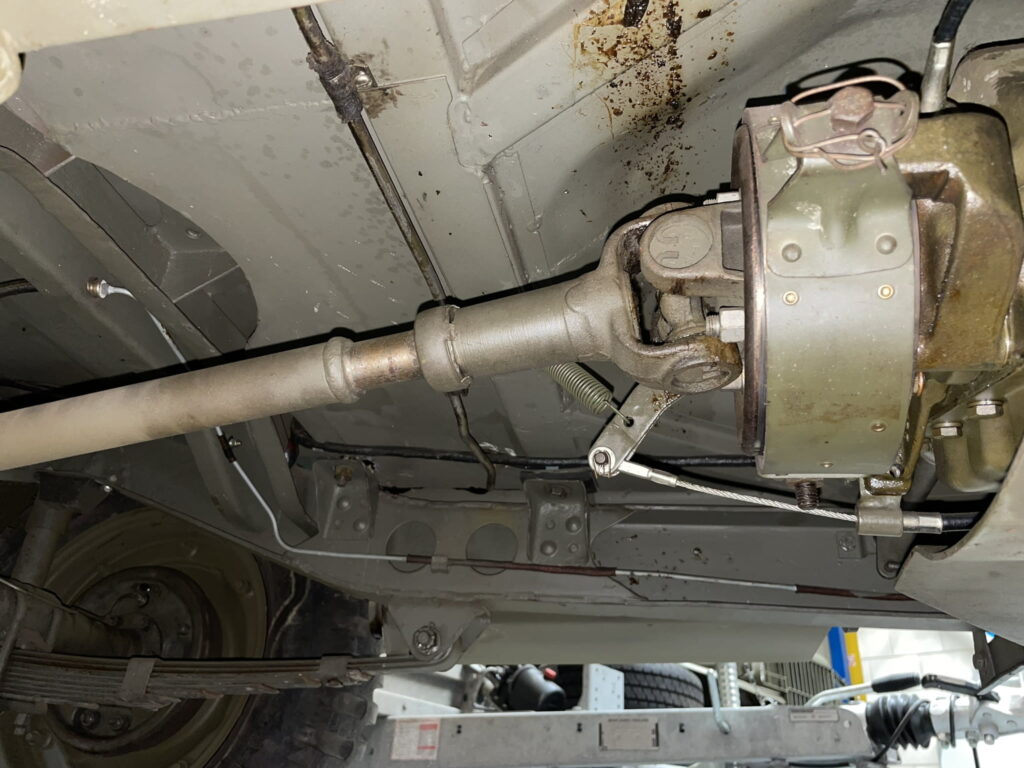
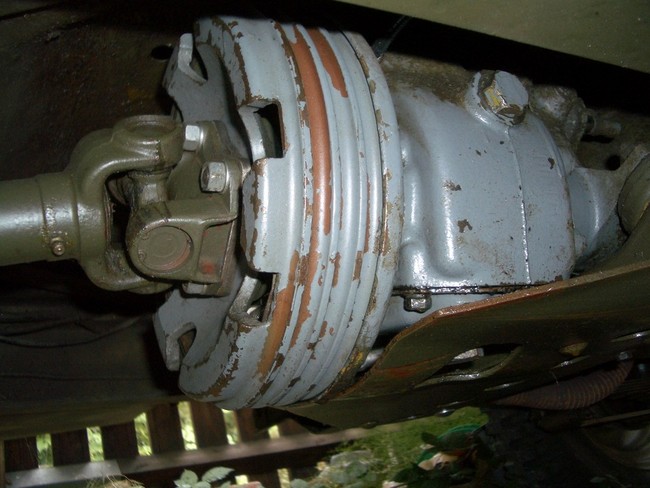
Apparently, the Ford GPW never switched to parking brakes with packings, that is, from the external contraction type to the internal expansion type. In other words, Ford kept Hand Brake FM-GPW-2598 / WO-A-1008 (external contracting type) and did not switch to FM-GPW-2598-B / WO-A-9333 (internal expanding type).
On the other hand, Willys MB did switch to that system in the later period of 1944.
As an argument for this, various dates and examples are cited in the literature and standards:
states that by September 1944 the factory installed brake would have been an internal type as per Nabholtz's recollection, the change is attributed to early June 1944. John Farley in The Standardized Wartime Jeep II on page 127 states the change from external to internal type in July 1944 in Lawrence Nabholtz's book The Military Jeep (1st ed. p. 38, revised issue p.56) shows a late 1945 GPW parking brake according to the MVPA GPW Judging Standards, the changeover from an external contraction to an internal expansion parking brake occurred around March 13, 1944.
So, the sources are not completely agreed on the exact date of the change, but the bottom line is that there are various statements about that change, while the view is that the Ford GPW never actually made that transition, unlike the Willys MB, which did transition to a later type of parking brake at the end of 1944.
ORD 9 SNL G-503 Spare parts list
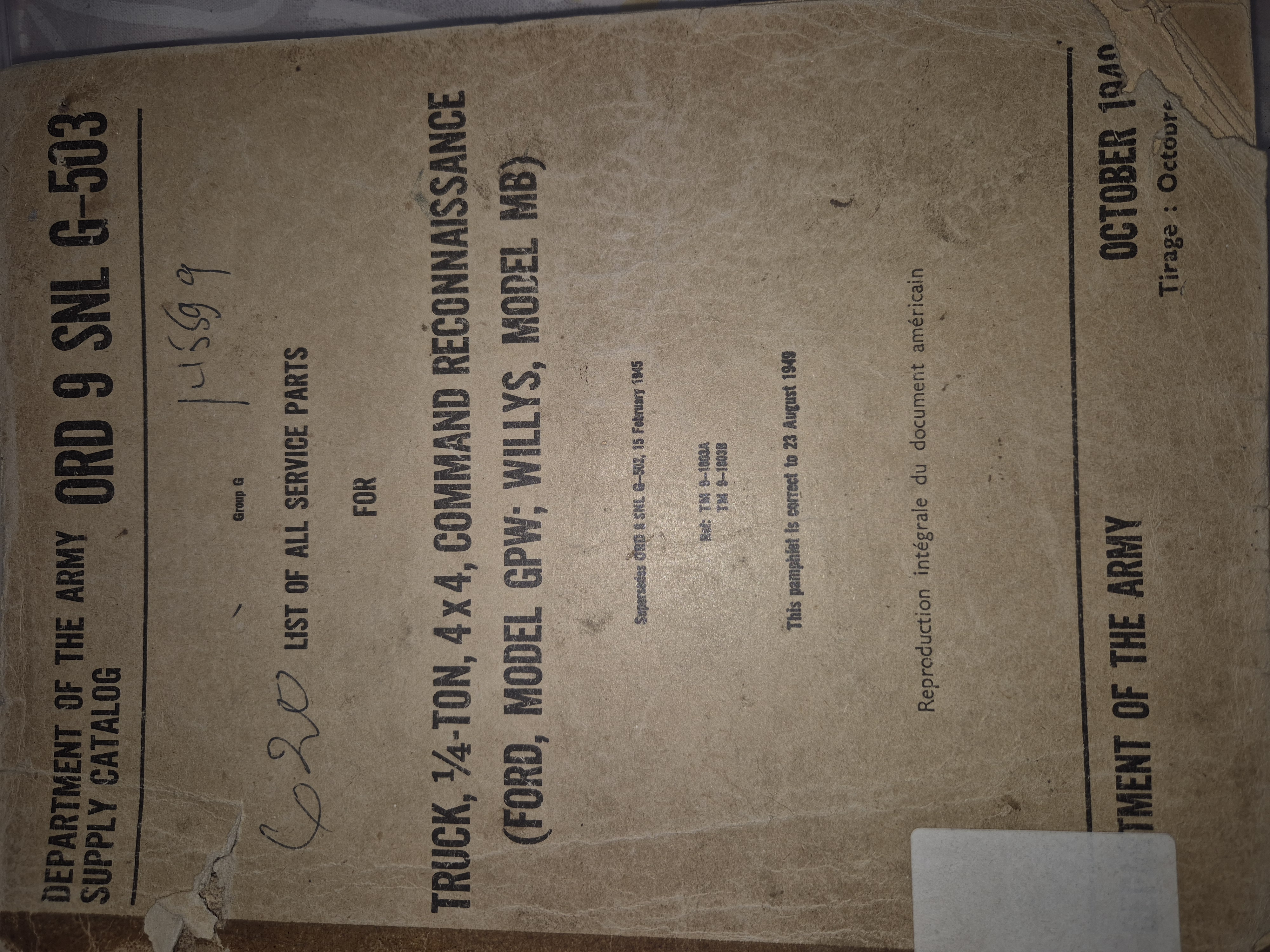
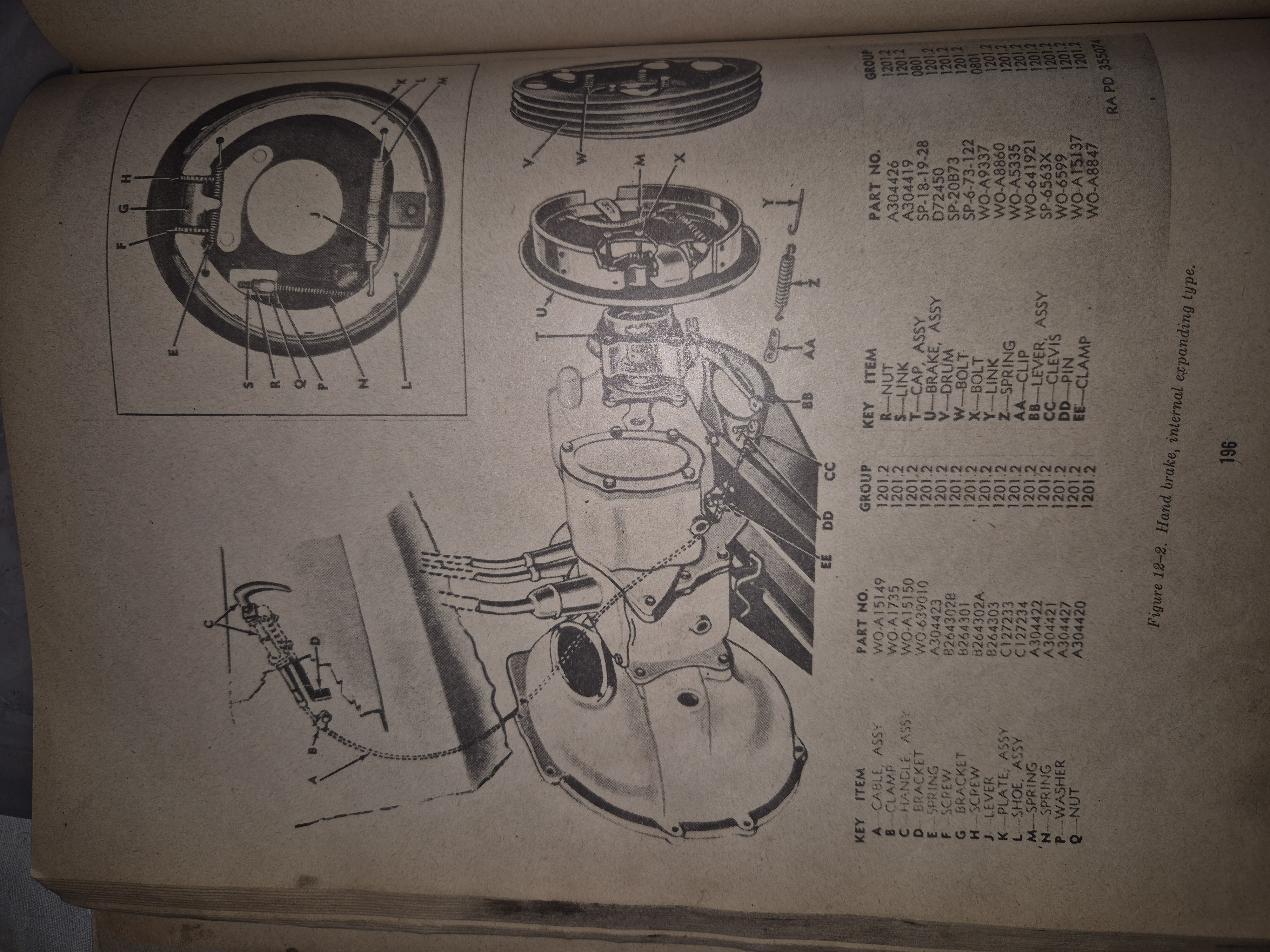
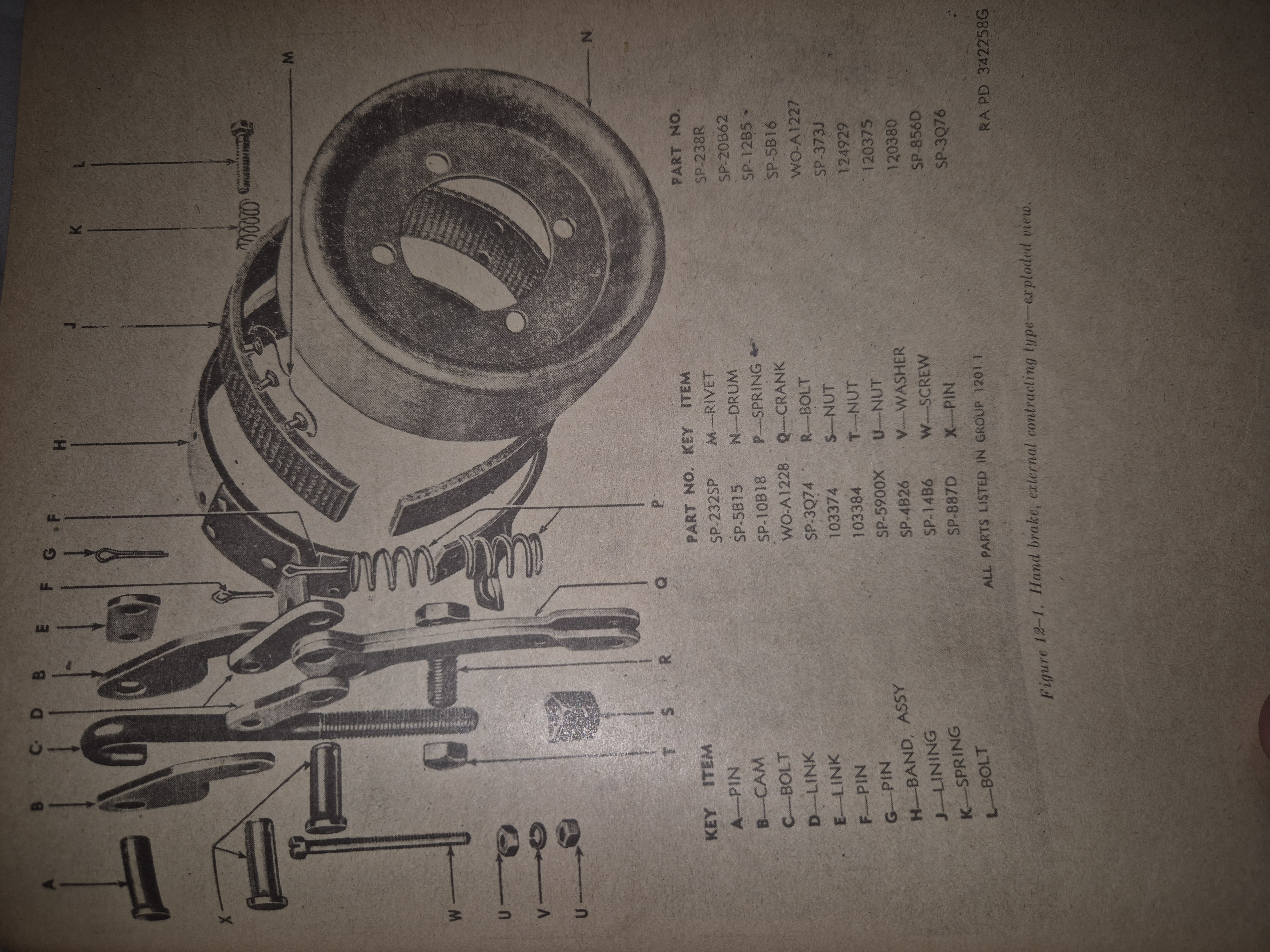
ORDINANCE ORD 9 SNL G-503 issued on August 23, 1949 contains both models of brakes, with belt and with pads, this update happened in 1945 in the documentation.
Chassis numbers in JNA and Yugoslavia
In Yugoslavia after the Second World War, most jeeps were in the JNA, while a smaller number were in the service of state authorities and the People's Militia. Due to their purpose, rough roads and the practice that the official car is the "best car", many jeeps have had their front bumpers destroyed and their serial number plate (Willys MB) damaged.
For this reason, and because of the regulations of the state of Yugoslavia that the VIN number (chassis number) must not be on the detachable plate, many jeeps received new numbers. We can classify them into several categories: overtyped original number on the chassis, JNA identification number (registry number in the JNA), as well as the so-called PUS number (by order of the SUP), which was stamped by the Secretariat of Internal Affairs in case the original number was not visible or was damaged.
It is rare to find an example where the PUS mark is in a circle, and the number 78 (in this example) separately and then a four-digit number. This example is rare, but it is not known to which period it belongs or which SUP used it.
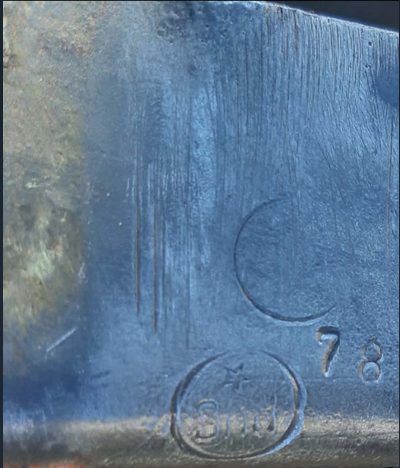
Until 1972, a number that began with the registration number of the city where the number was issued was used, for example NS xxxxxxxxxx for Novi Sad, BG xxxxxxxxx for Belgrade and the like. Since 1972, a number starting with PUS XXXX/YYZZZZ has been used, where XXXX is the SUP code YY year of typing and ZZZZ is the number in order from 0000 onwards.
With Ford GPW jeeps, the situation is a bit better, because the original number is stamped on the chassis near the left shock absorber bracket, so there was not so much damage or loss of the number.