
Introduction
This page is intended to assist in the identification of WW2 Willys MB and Ford GPW basic vehicle assemblies. The most important elements are shown on the basis of which it is possible to determine the origin and approximate period of production of individual vehicle parts.
The data is organized by assemblies, with illustrations that allow easier recognition of characteristic differences between manufacturers and war and post-war variants. The layout is adapted to both reading on the screen and printing in A4 portrait format.
Contents
Chassis
The chassis number on Ford GPW vehicles is stamped on the top of the left front chassis brace, just behind the bumper. For Willys MB vehicles, the number is located on a plate attached to the left chassis support. The early Ford examples used a Willys chassis, so the earliest vehicles should also count on Willys features.
The main visual difference is in the transverse support: Ford GPW has a square cross member, doc Willys MB has a round tube. With restored vehicles, it should always be taken into account that the numbers and plates have often been changed or re-imprinted.


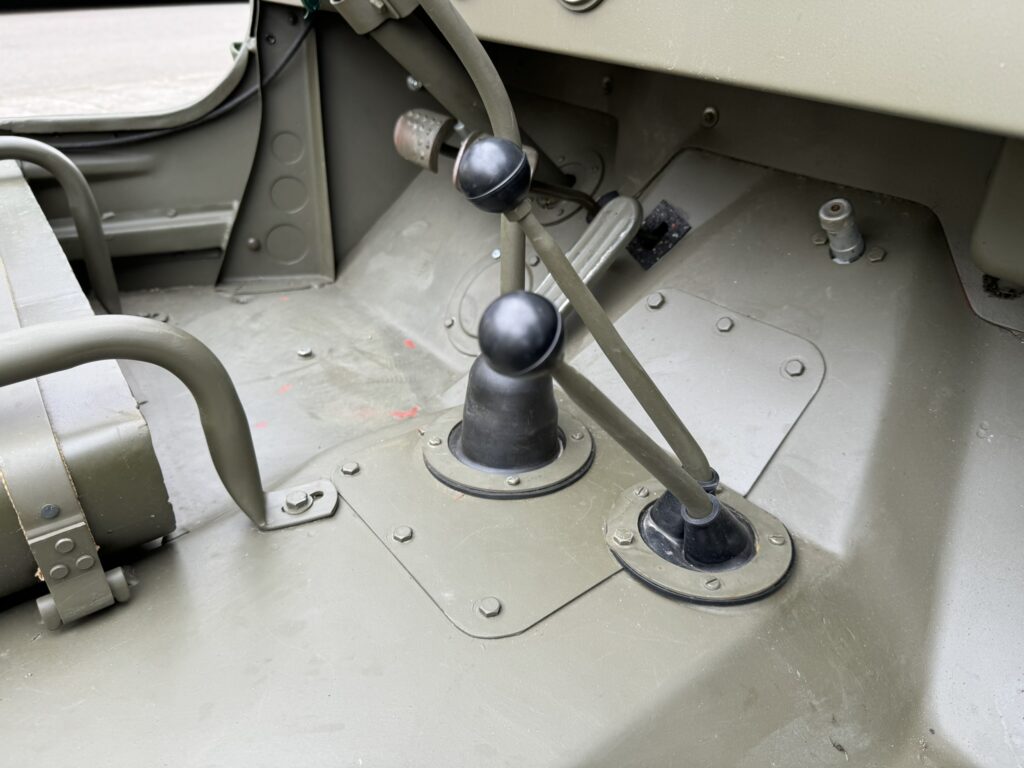
Chassis number and tentative dating
Based on the chassis number, it is possible to approximately determine the production period. These ranges are a working aid and may not always correspond to the exact date of delivery, especially for Ford GPW vehicles that are assembled at multiple plants.


Numbers on the hood
The numbers on the hood are an auxiliary criterion for dating the vehicle. Early factory signs were mostly done in color blue drab, while later white inscriptions appear more and more often. During the vehicle's service, the numbers are often painted over, so they should be viewed together with the chassis number and other details.


Engine
Willys MB and Ford GPW use the engine during the war Willys L134 “Go-Devil”. It is a four-cylinder side-valve engine with a volume of 2,199 cm³ and a power of approximately 60 hp. To distinguish between a war and post-war engine, it is important to look at the water pump, cylinder head and block markings.


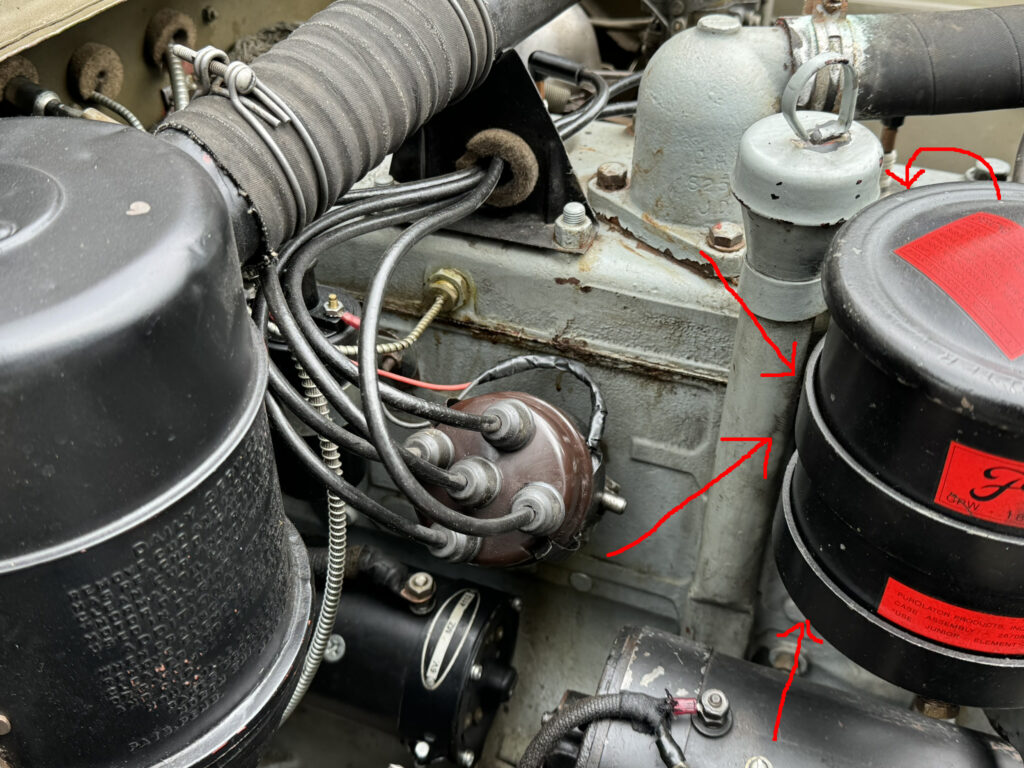

Engine number
The engine number is located on the right side of the block, behind the oil filter housing. With Ford GPW engines, the mark appears most often GPW-xxxxx, while the Willys MB uses the designation MB-xxxxxx. The serial number can be altered or overprinted, so it should always be compared with the casting number and casting date.


Engine Cast Numbers
The casting number is a more reliable clue than the serial number, because it cannot be easily changed. With the Ford GPW block, the marking is important GPW-6015 and casting date schedule. The Willys MB engine is characterized by the casting number of the type 638632 W3 A NI-CR, with mold marks W1–W6.


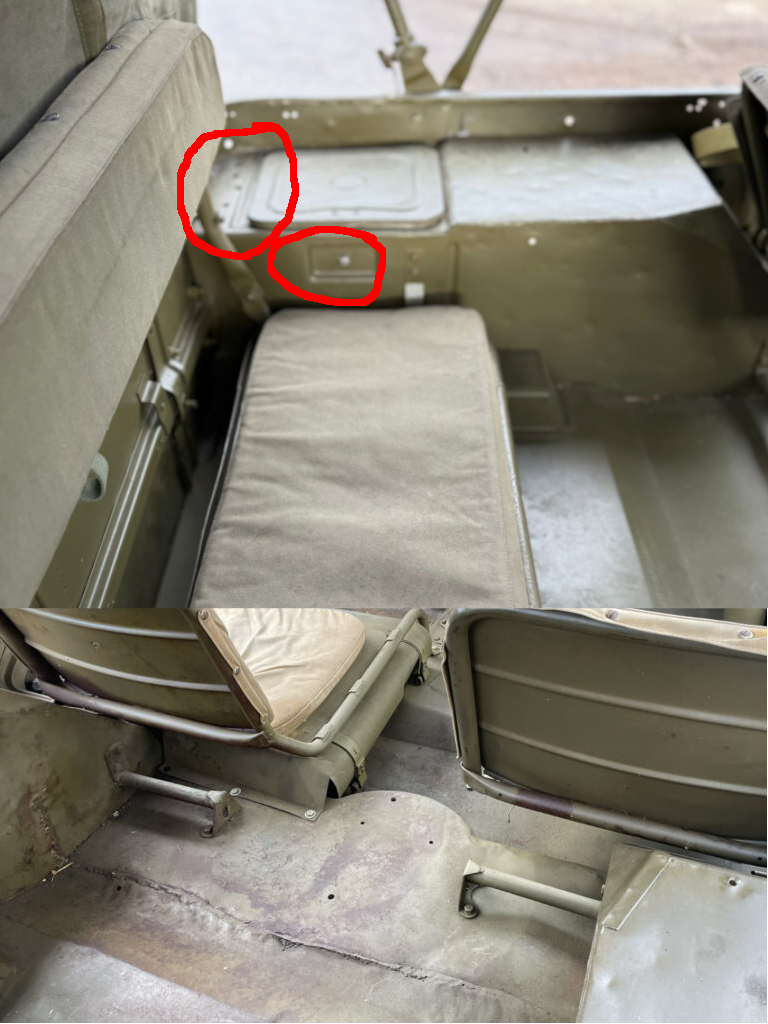
Bodies
Car bodies are one of the most important elements for identification. During the war, Ford bodies, ACM Type 1 bodies for the Willys MB and later ACM Type 2, i.e. composite bodies, were used. Post-war vehicles and restorations further complicate identification, so more details should be viewed together.


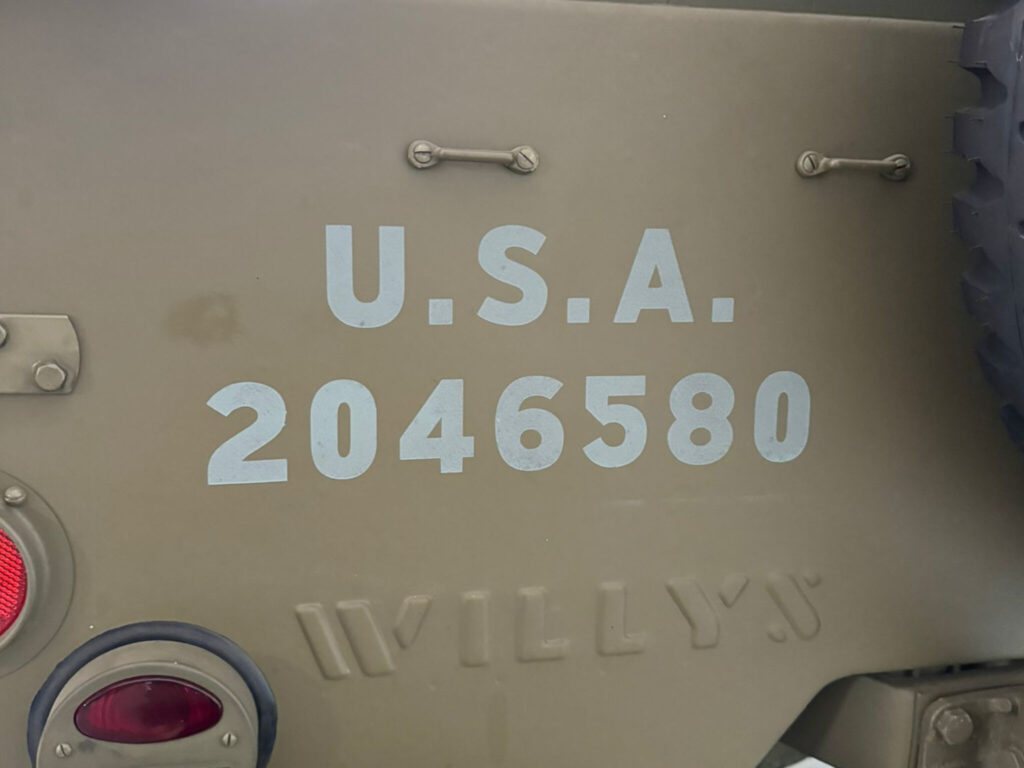


ACM body number
ACM body number is located on the internal gussets and is an important piece of information for identifying Willys and composite bodies. That number helps to approximate the dating of the body and to distinguish between ACM Type 1 and ACM Type 2 performances.



Body details
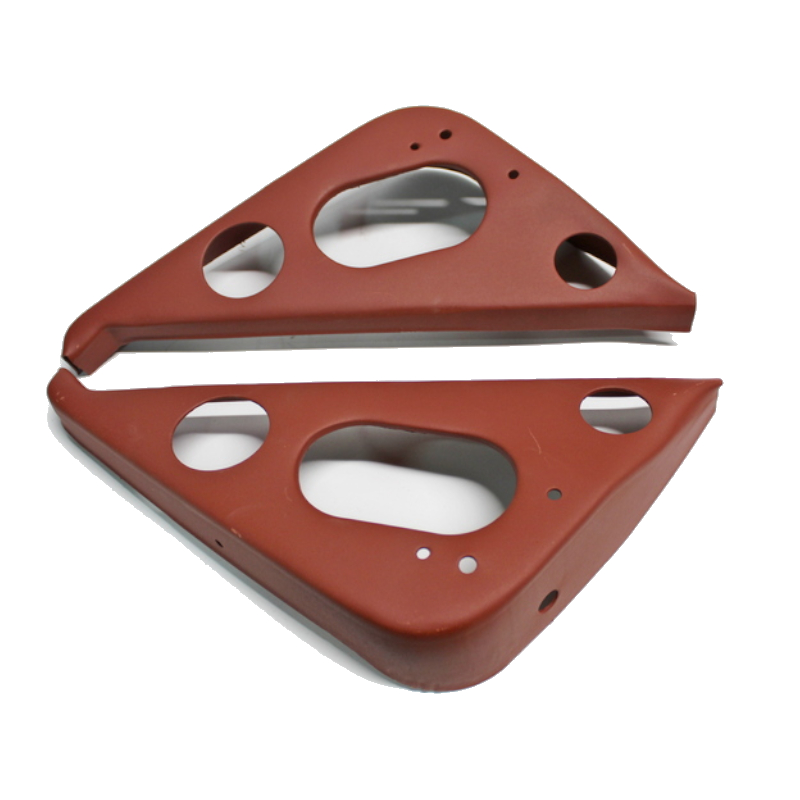
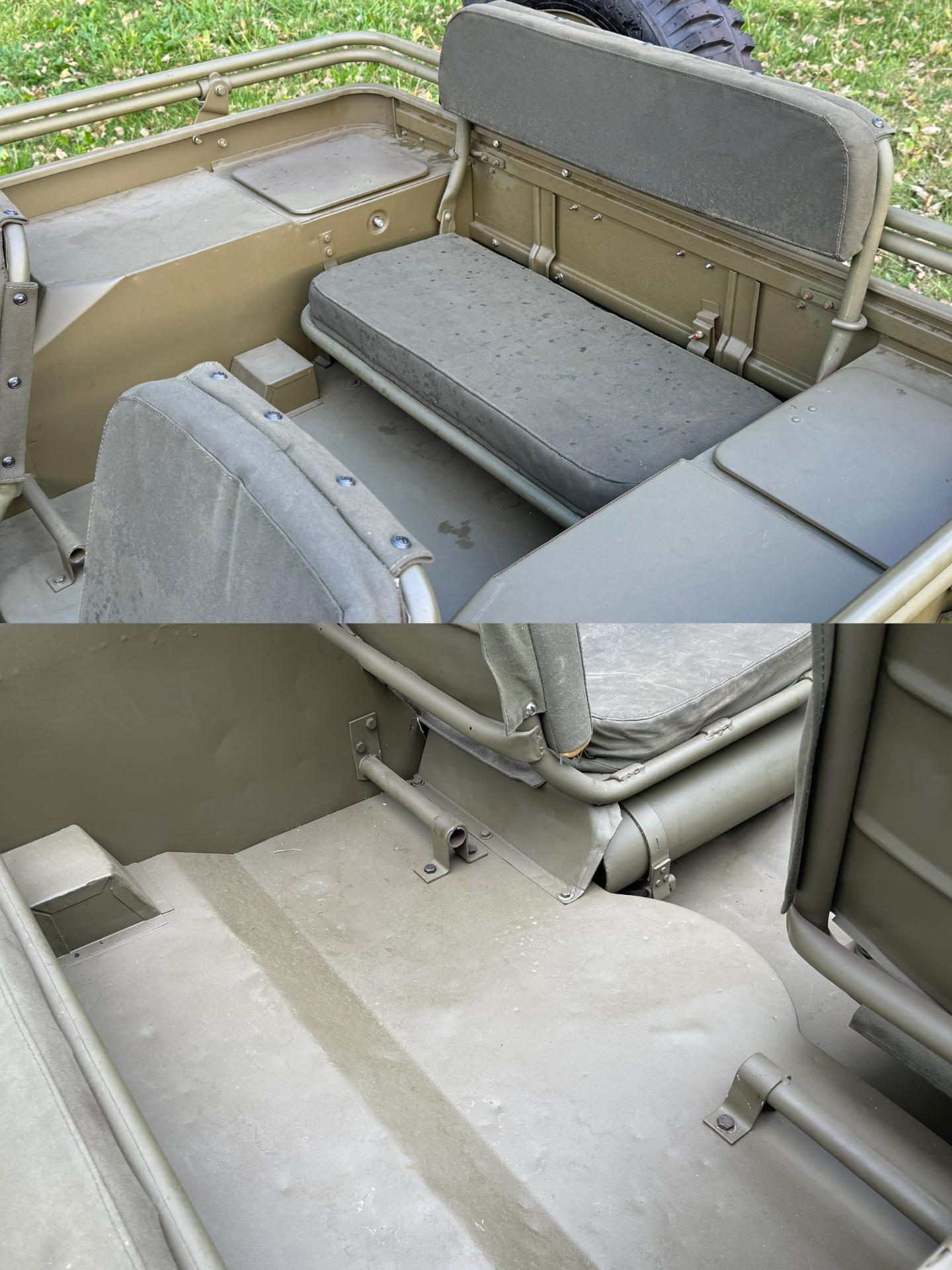
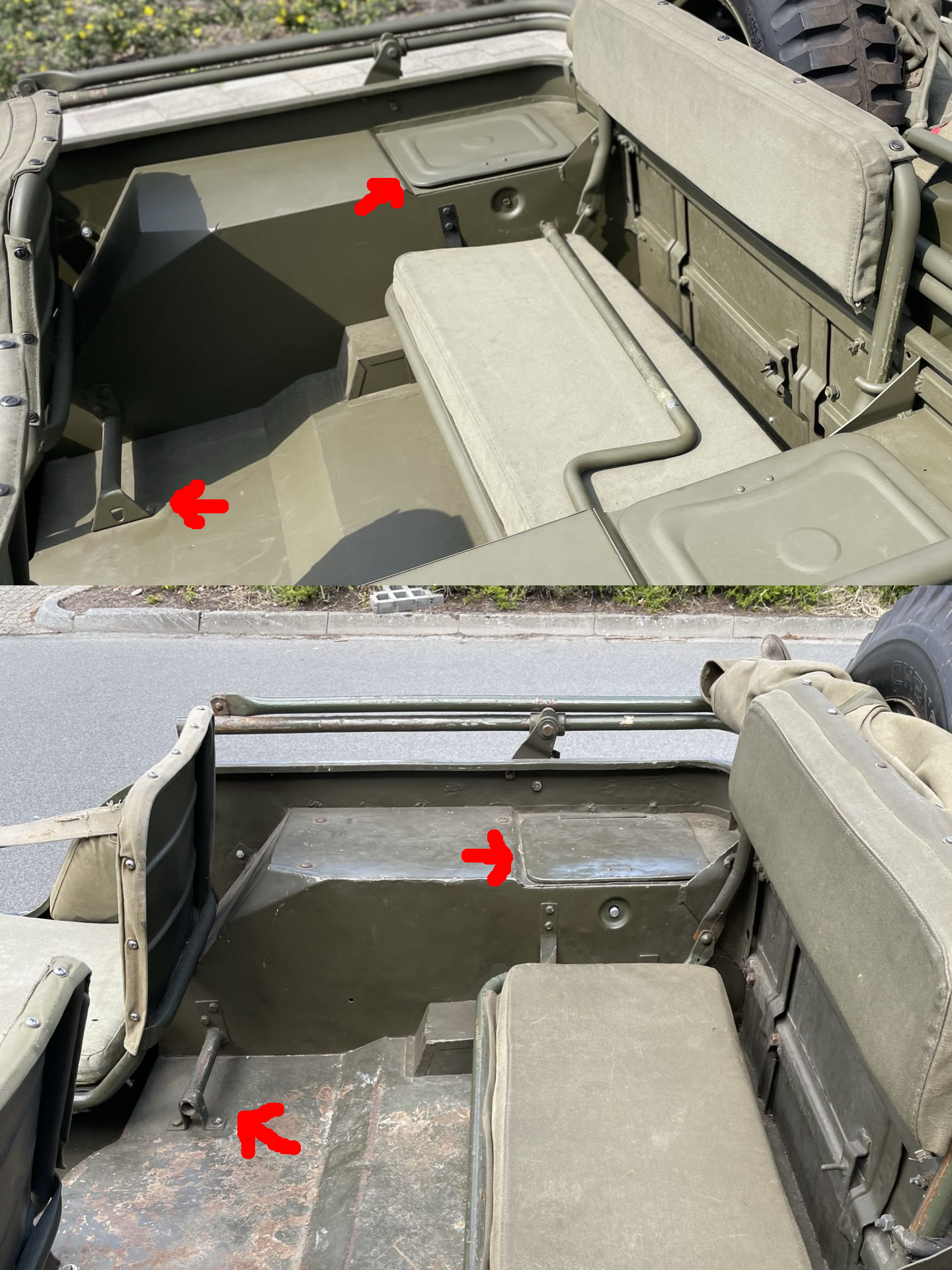
Small details are often crucial for accurate identification: hood hinge type, Ford "F" markings, dashboard appearance, accessory openings and the design of side and top body joints.



Springs
Leaf springs also help with identification. Ford GPW springs often have Ford markings, while Willys MBs use their wartime variants without Ford markings. In restored vehicles, post-war springs from CJ or M201 vehicles are often found.


transmission
Wartime Willys MB and Ford GPW use transmission T-84, while it often occurs on post-war and subsequently repaired vehicles T-90. For identification, the shape of the case, side details, top cover, markings and general arrangement of elements are important.


Drive distributor
The transfer case transfers power from the transmission to the front and rear axles. Military vehicles use the Dana / Spicer 18, but locally produced or post-war variants have also appeared over the years. Case number, casting details, output shaft and parking brake arrangement are important.


Welcome to the parking garage
The drum parking brake is located at the output of the drive distributor. The shape of the drum, the method of attachment and the details of the brackets can help distinguish between war and post-war parts, as well as Ford and Willys variants.

